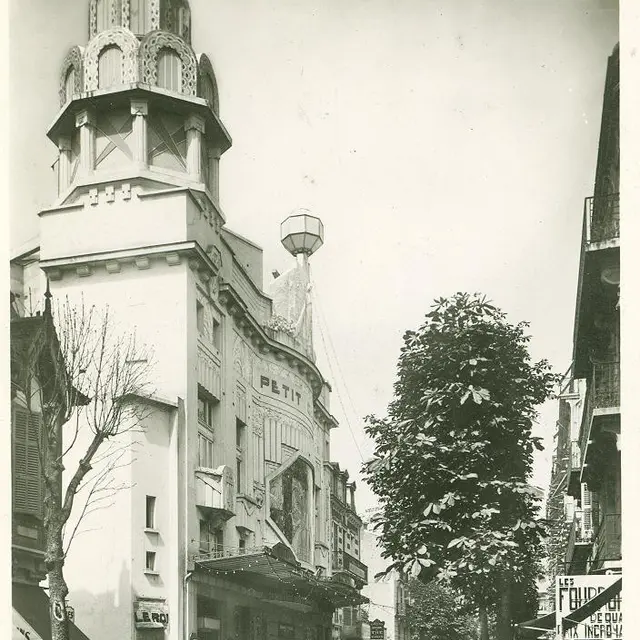
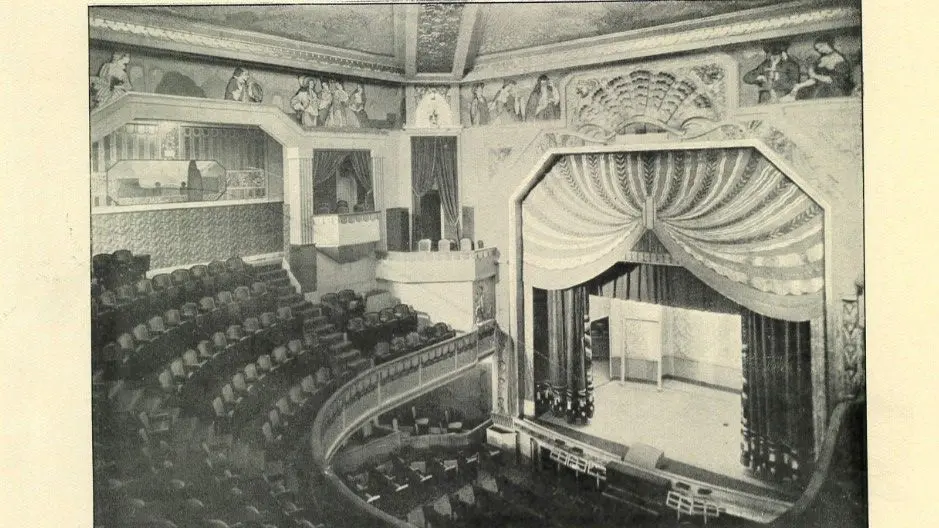
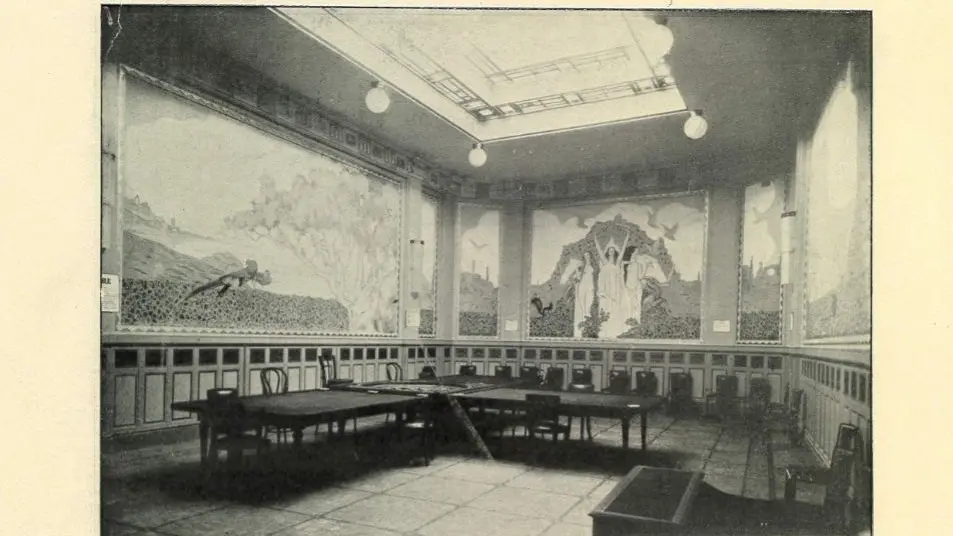
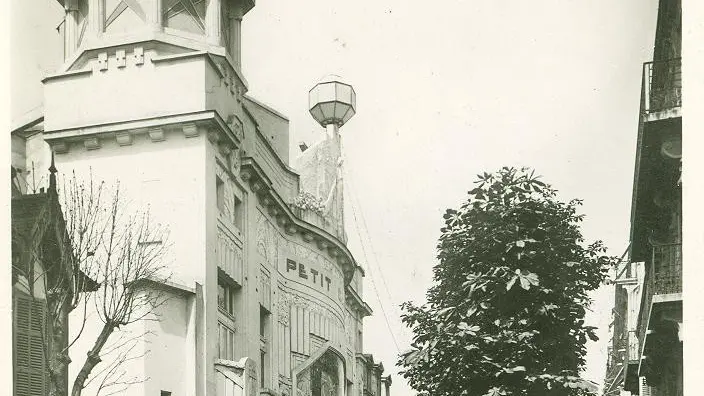
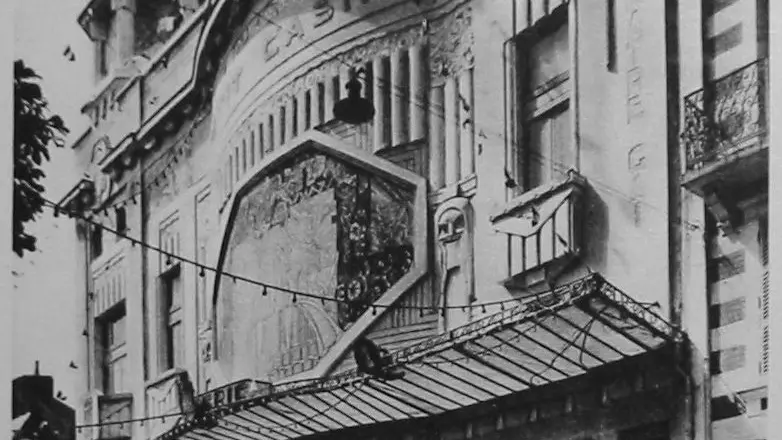
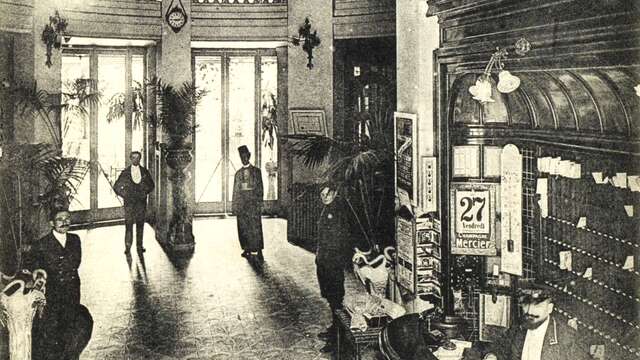
Vichy's Petit Casino, built by architects Antoine Chanet and Jean Liogier in 1928 in the Art Deco style, combined a theatre, a gaming room, a letter-writing salon and a brasserie, providing the spa town with a lively and fashionable haunt.
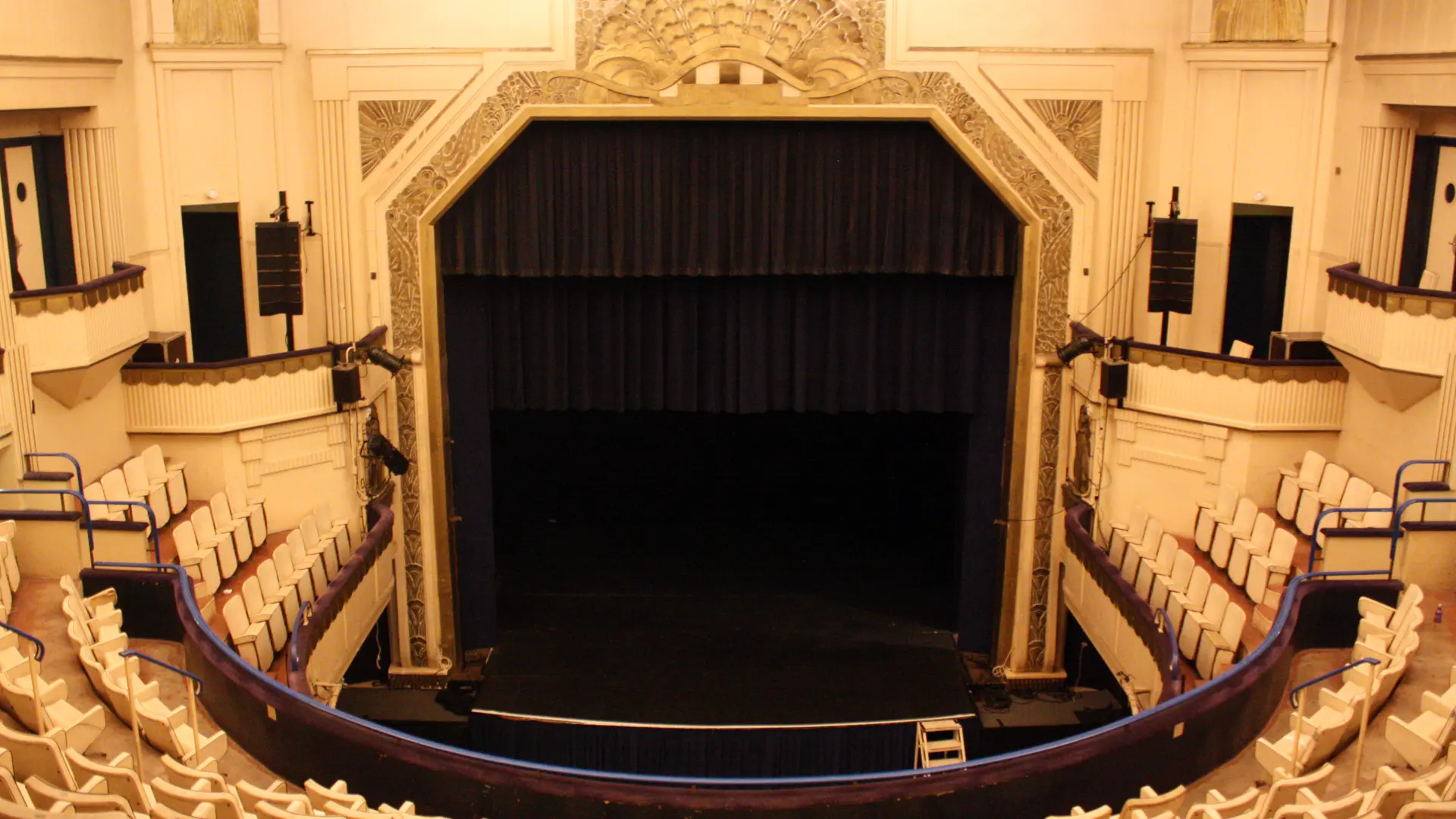
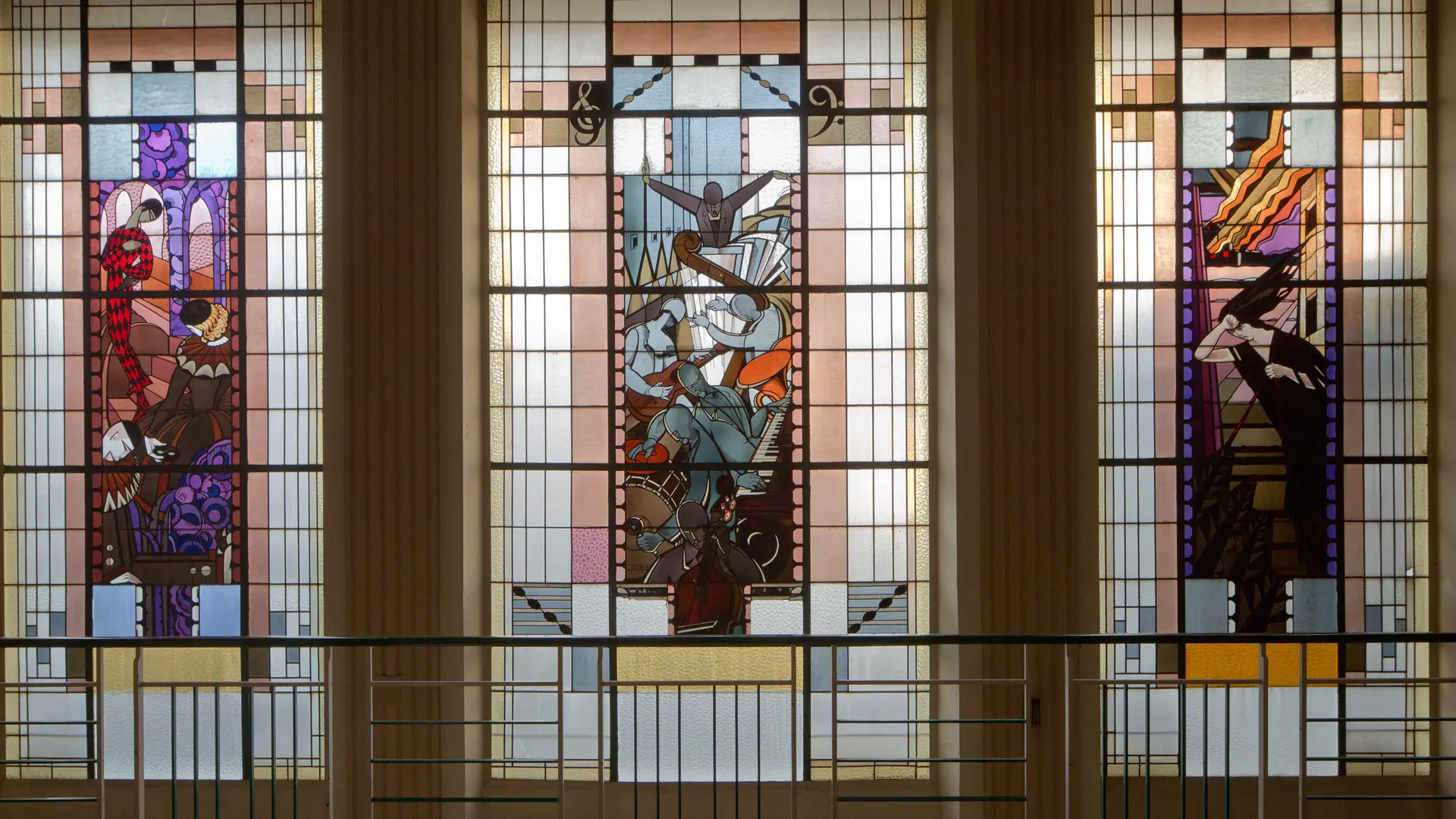
Originally, a large glass mosaic panel depicting a spring adorned the facade, itself crowned by a lantern, a sort of stylised fountain, and a bell tower that lit up the entire street. Inside, the grand central staircase, illuminated by three magnificent stained-glass windows by master glass maker Francis Chigot, depicting comedy, music, and tragedy, led up to the 650-seat theatre, which hosted a light entertainment programme.
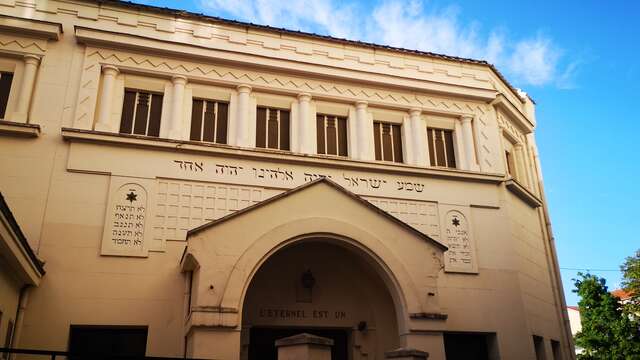
In 1936, the establishment closed its doors, reopening just four years later to the darkest episode in its history: after briefly housing the French National Assembly, it was requisitioned by the French Milice, who instigated a reign of terror, including the commonplace use of torture in what came to be known by Vichy residents as the "the Villa of Torments". Following the Liberation, the badly damaged building was purchased by the City, which converted it into a cultural centre (inaugurated in 1961), housing a library, exhibition spaces, and conference rooms. The damaged Art Deco facade was removed and replaced with a simpler, more restrained design, the only decoration being nine bas-reliefs depicting the arts by the Cusset sculptor Robert Mermet.