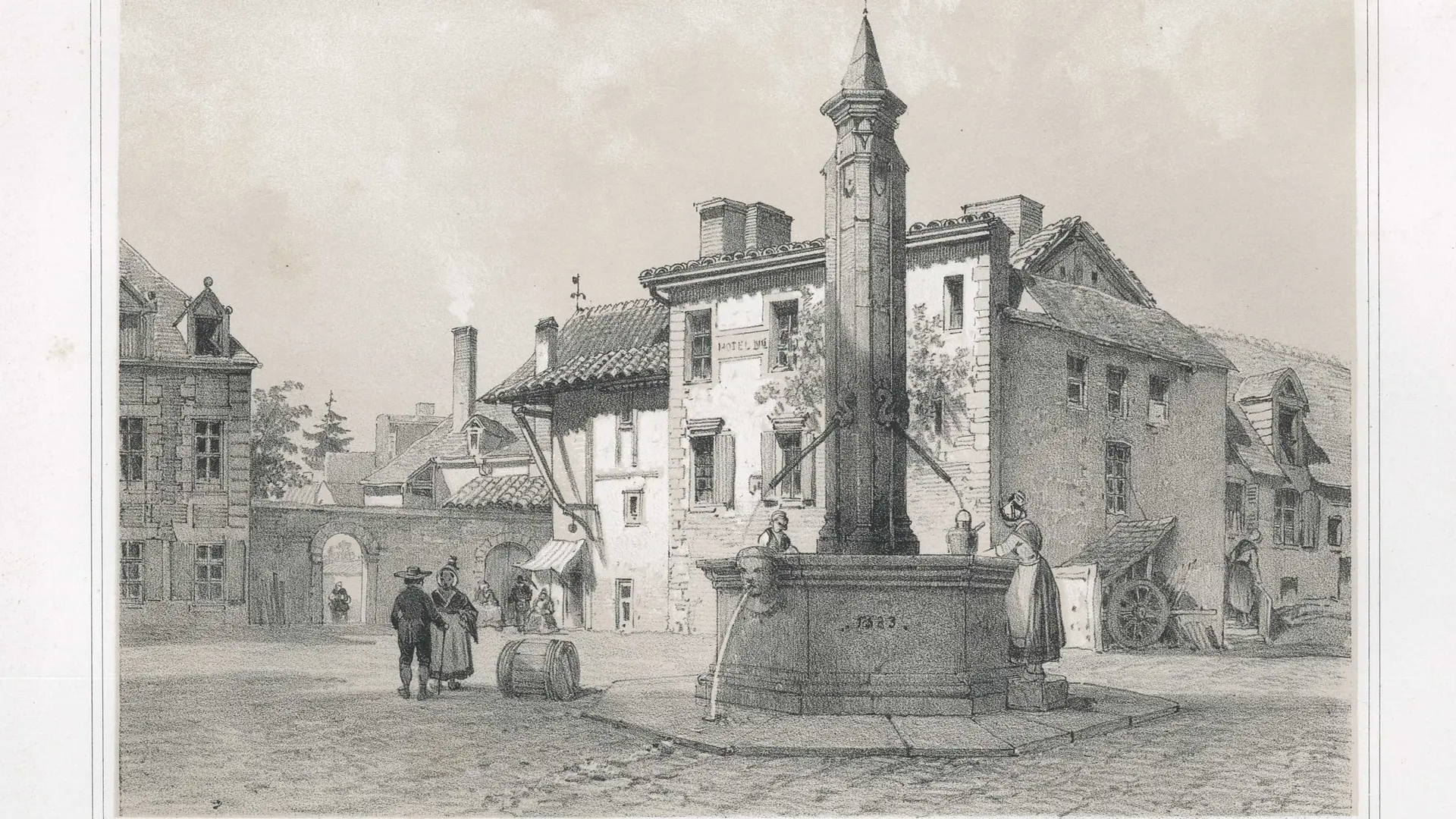
With its narrow streets and vestiges of ancient times, Vichy's historic town centre reveals another chapter of the city's history, largely pre-dating the golden age of the spa industry.
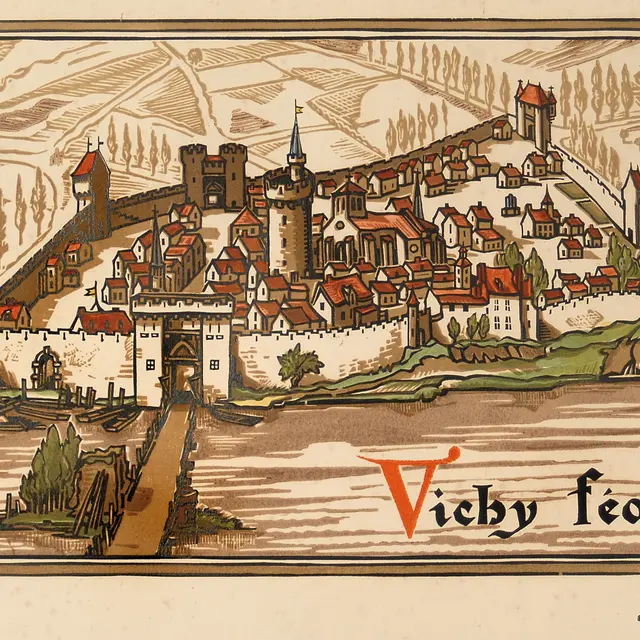
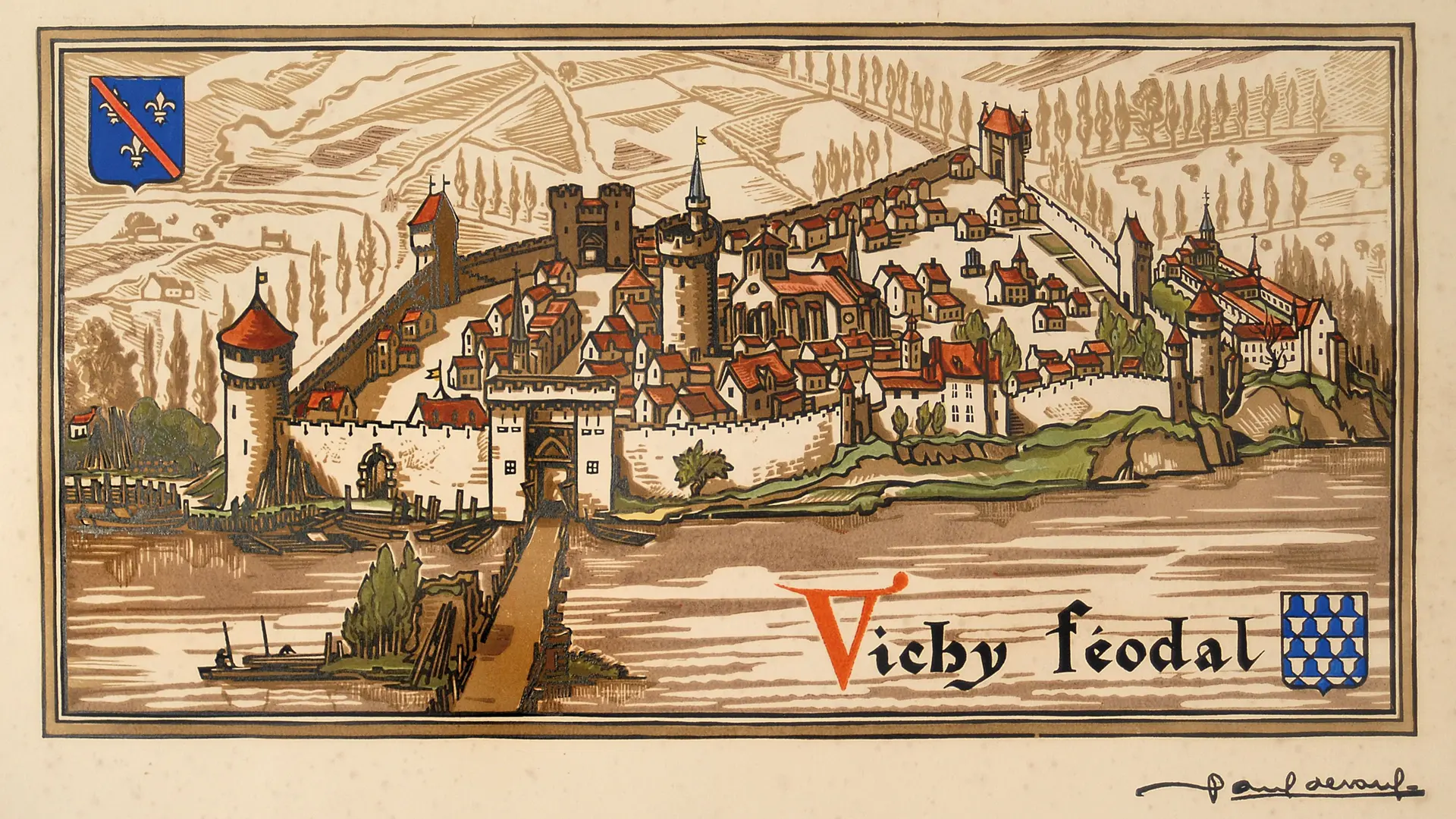
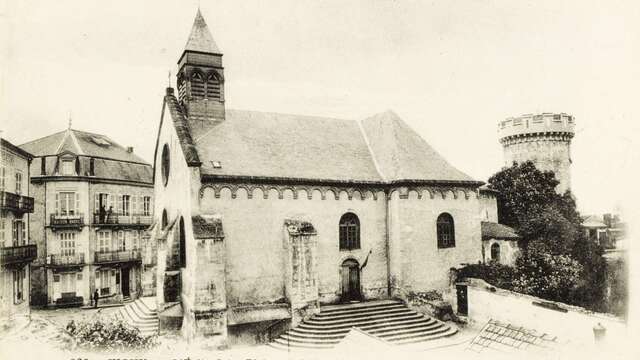
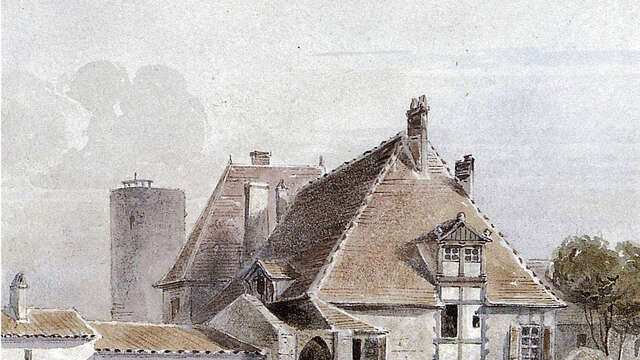
During the years spanning the Middle Ages to the early modern period, Vichy was a modest-sized town on a plateau overlooking a crossing point on the Allier River, clustered around the Saint-Blaise church and the castle belonging to the local lords. During this long period, seeking protection, the inhabitants grouped within the castle's fortifications, thus distancing themselves from the Moutier hamlet, the site of their parish church and cemetery and the place where Vichy's hot springs, already known for their healing properties, emerged naturally. In those days, due to the proximity of the river, the population lived mainly off trade and agriculture, making little use of the mineral waters.
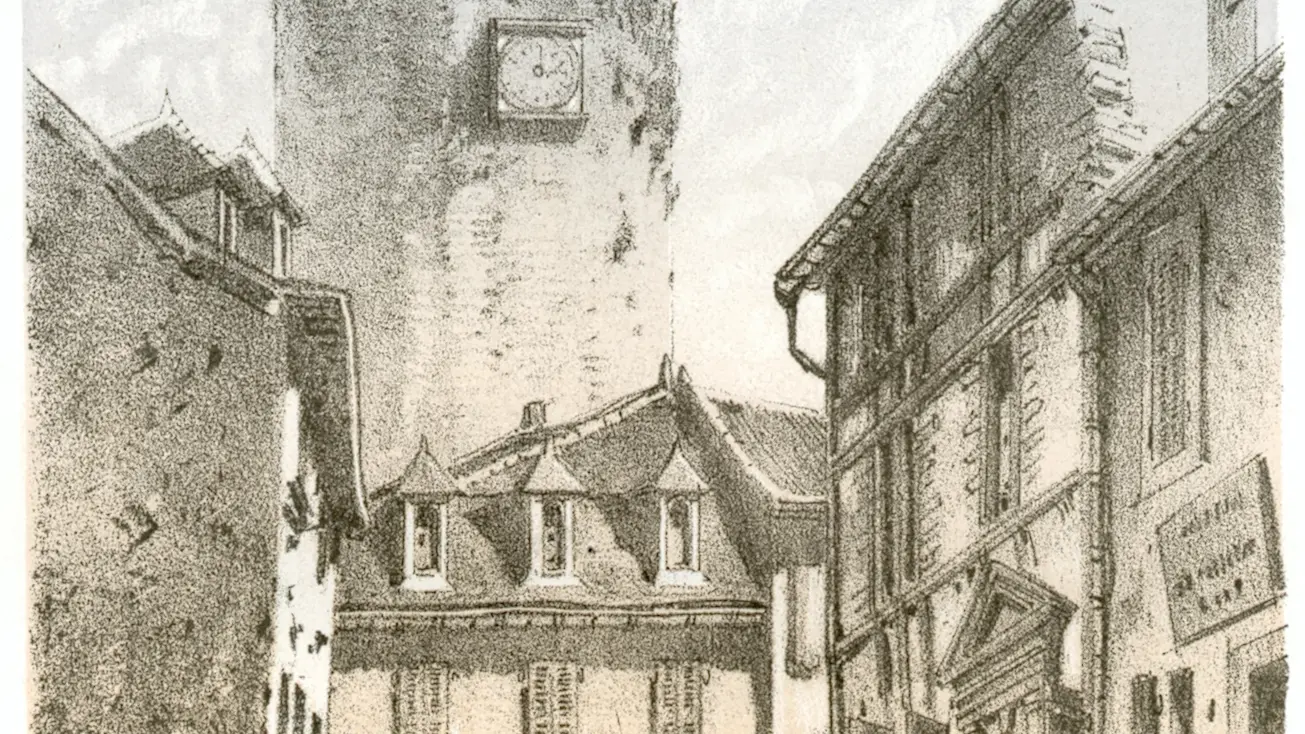
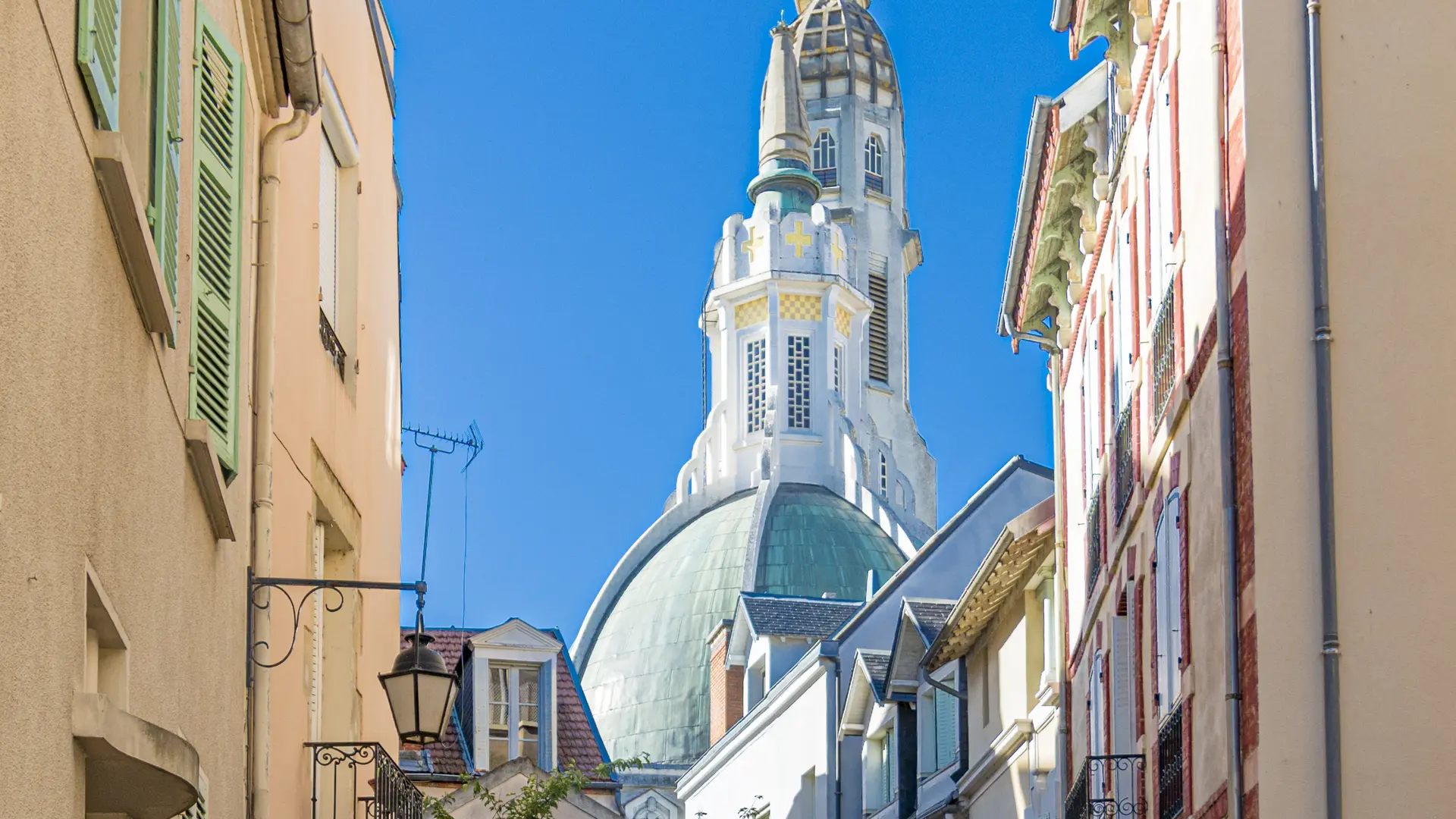
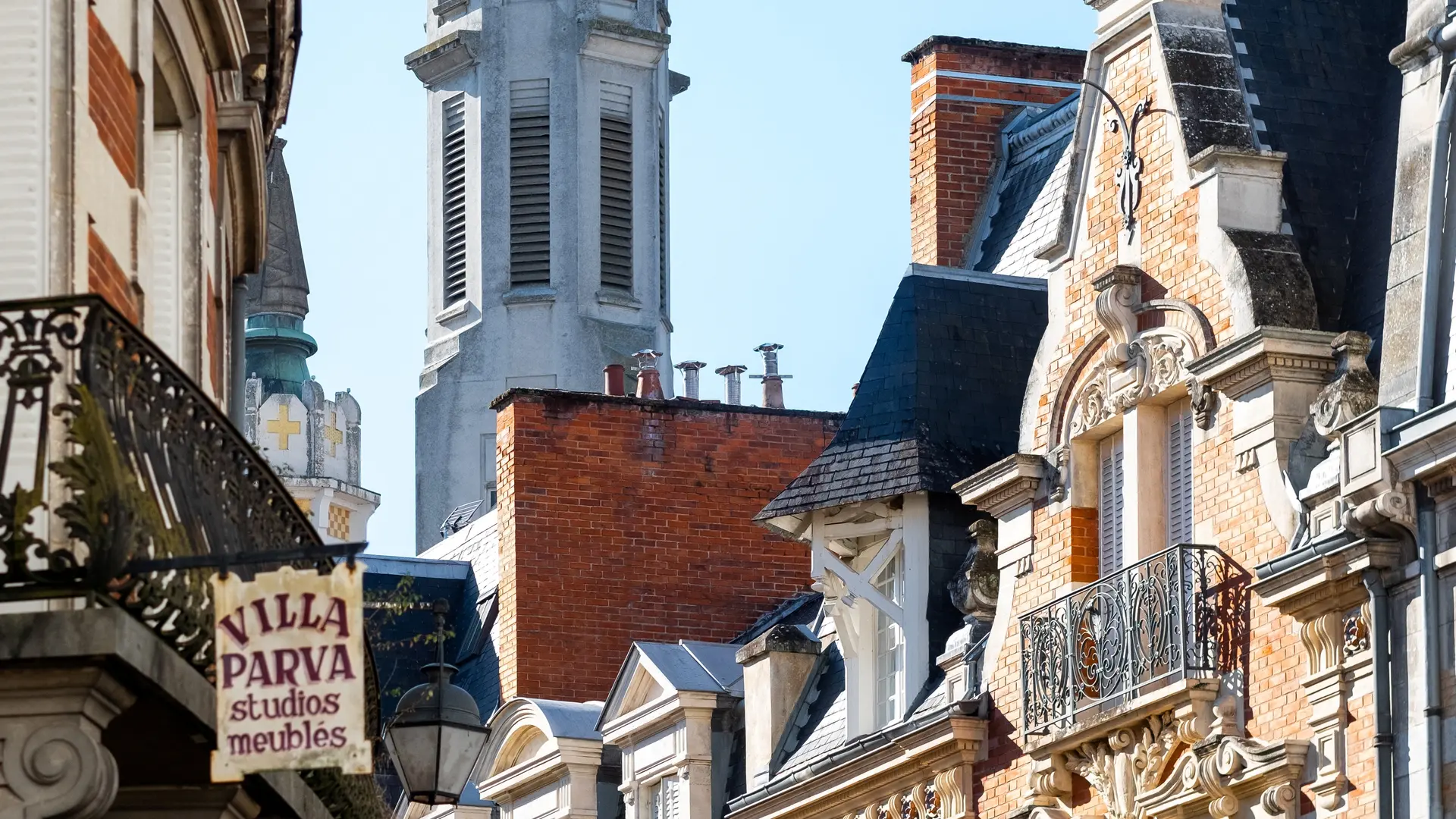
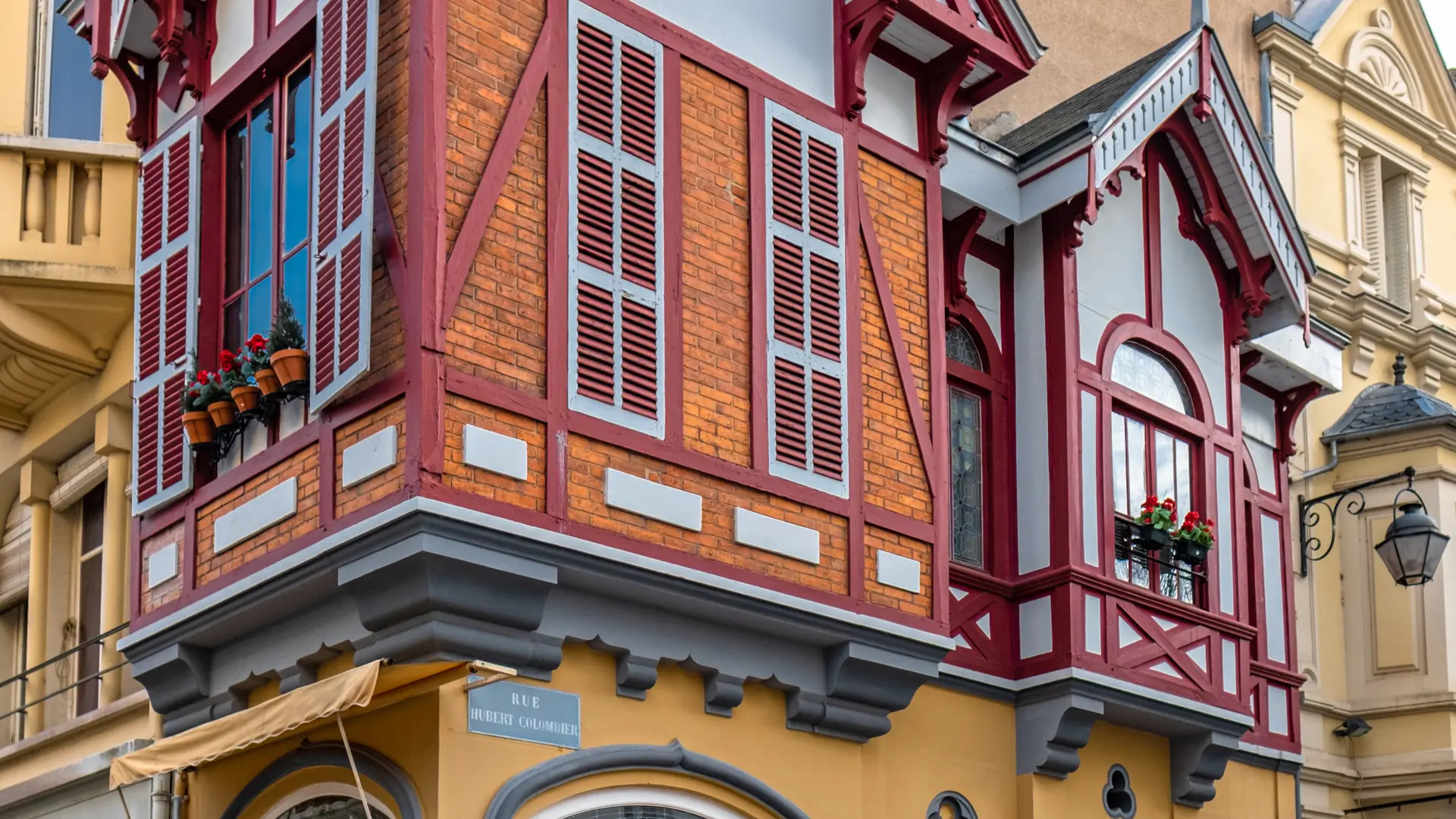
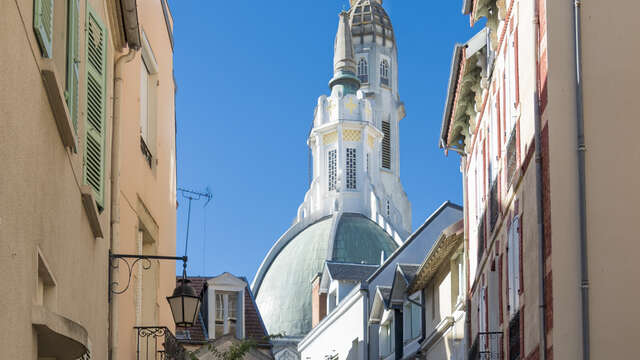
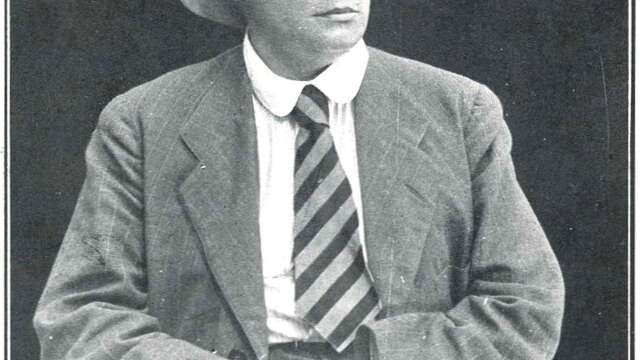
Of note are the 17th century Maison de Luzène at N° 20 Rue d’Allier, the medieval half-timbered house at N° 16 Rue d’Allier, and the Saint-Blaise church, completed in 1714. In 1931, architects Antoine Chanet and Jean Liogier added Notre-Dame-des-Malades, an outstanding example of Art Deco religious architecture.
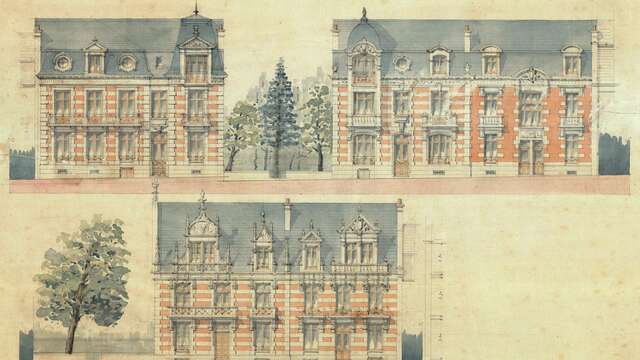
It was only in the second half of the 19th century that, driven by the growing popularity of the thermal baths, urban expansion led to the joining up of the two districts of Vichy-la-Ville and Vichy-les-Bains.