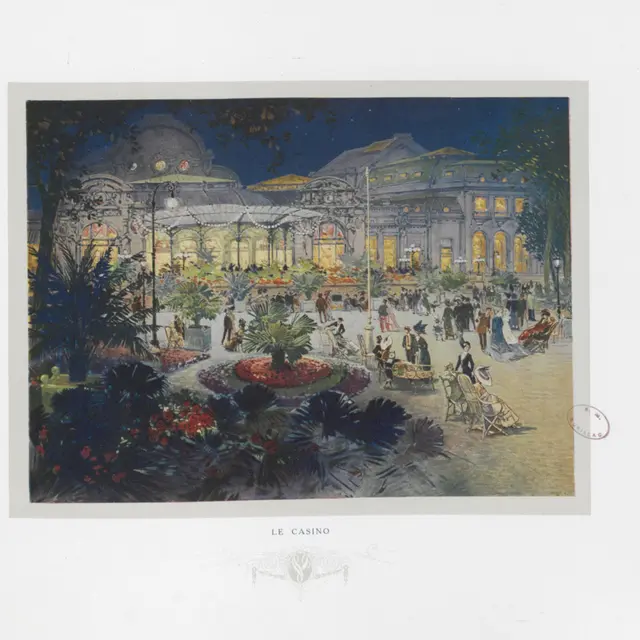
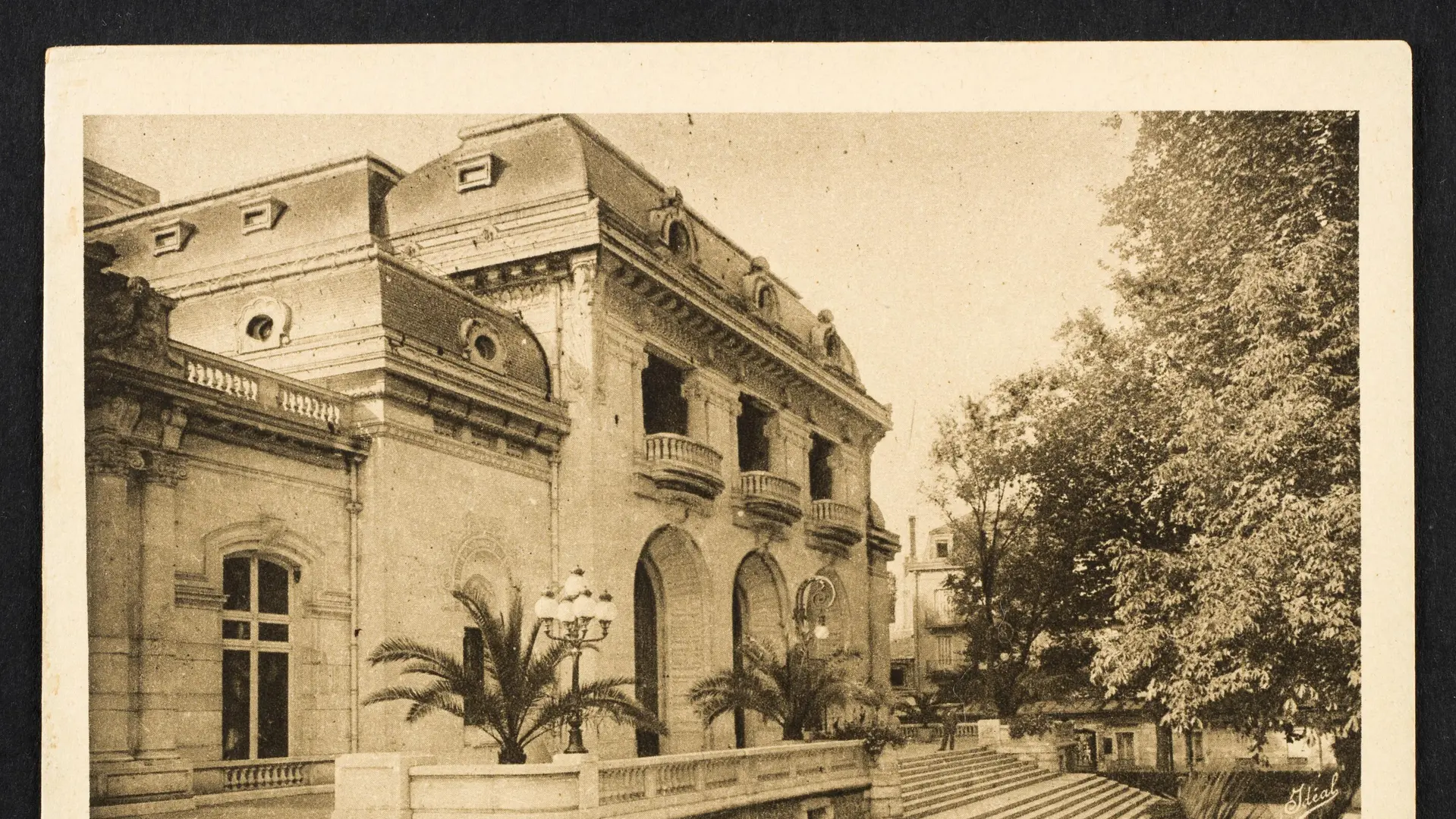
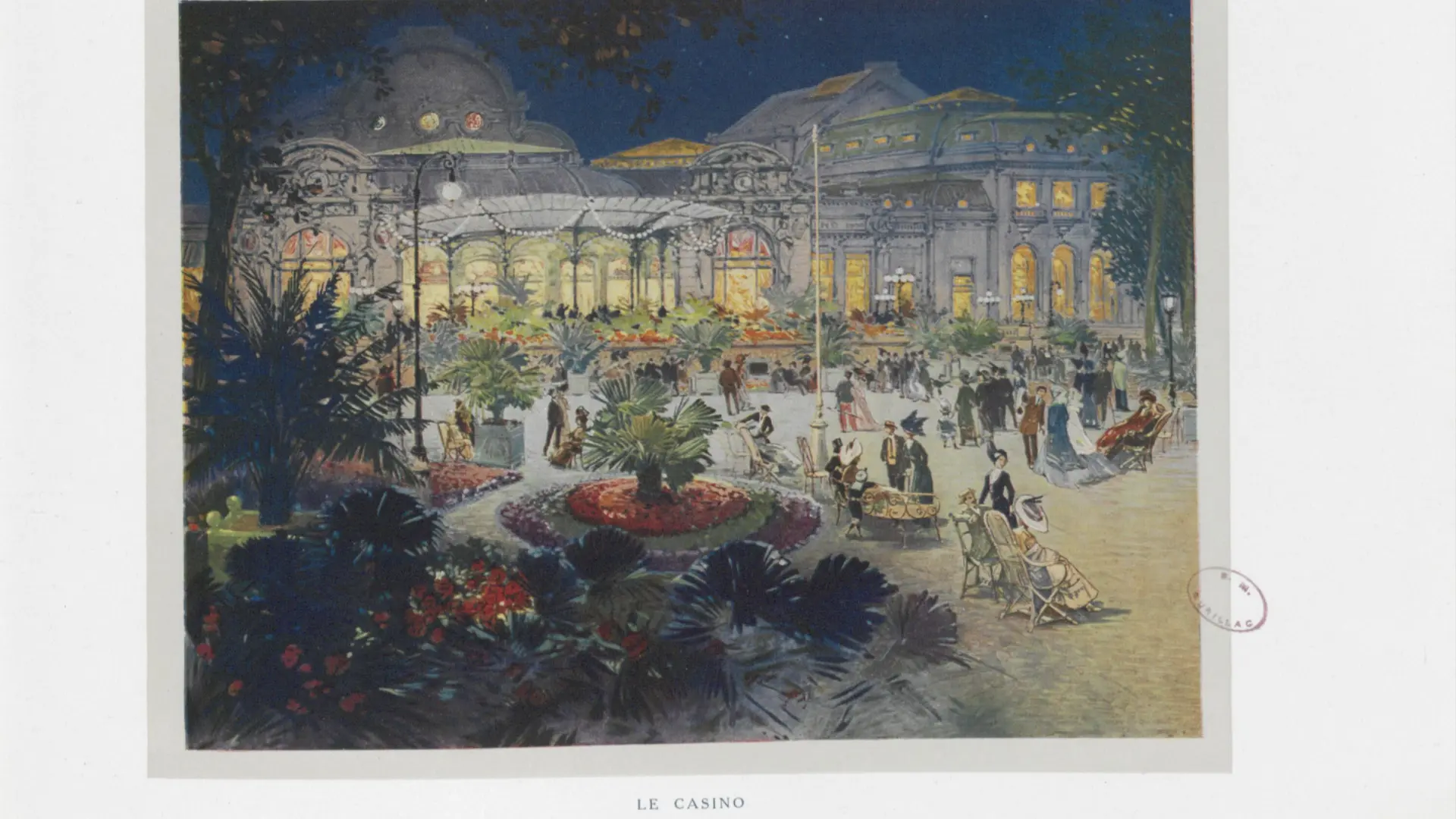
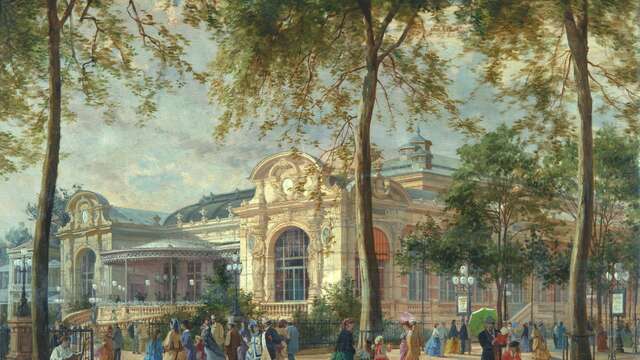
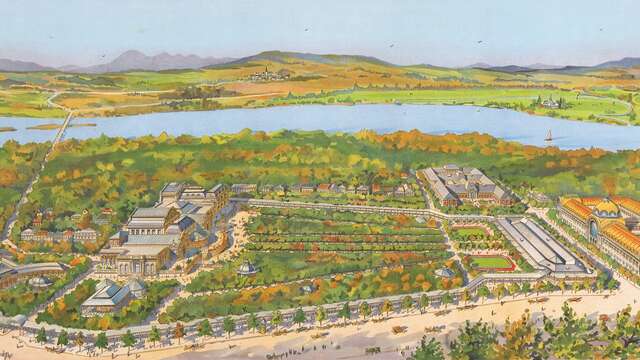
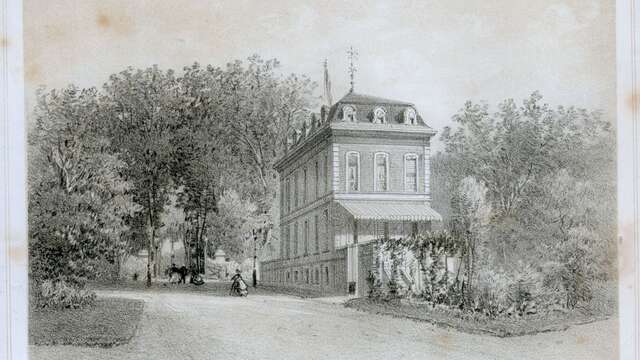
In 1898, the outdated appearance and inadequate services of the Napoleon III Casino required its expansion to be included in the major civil works programme imposed on the Compagnie Fermière when the lease came up for renewal.
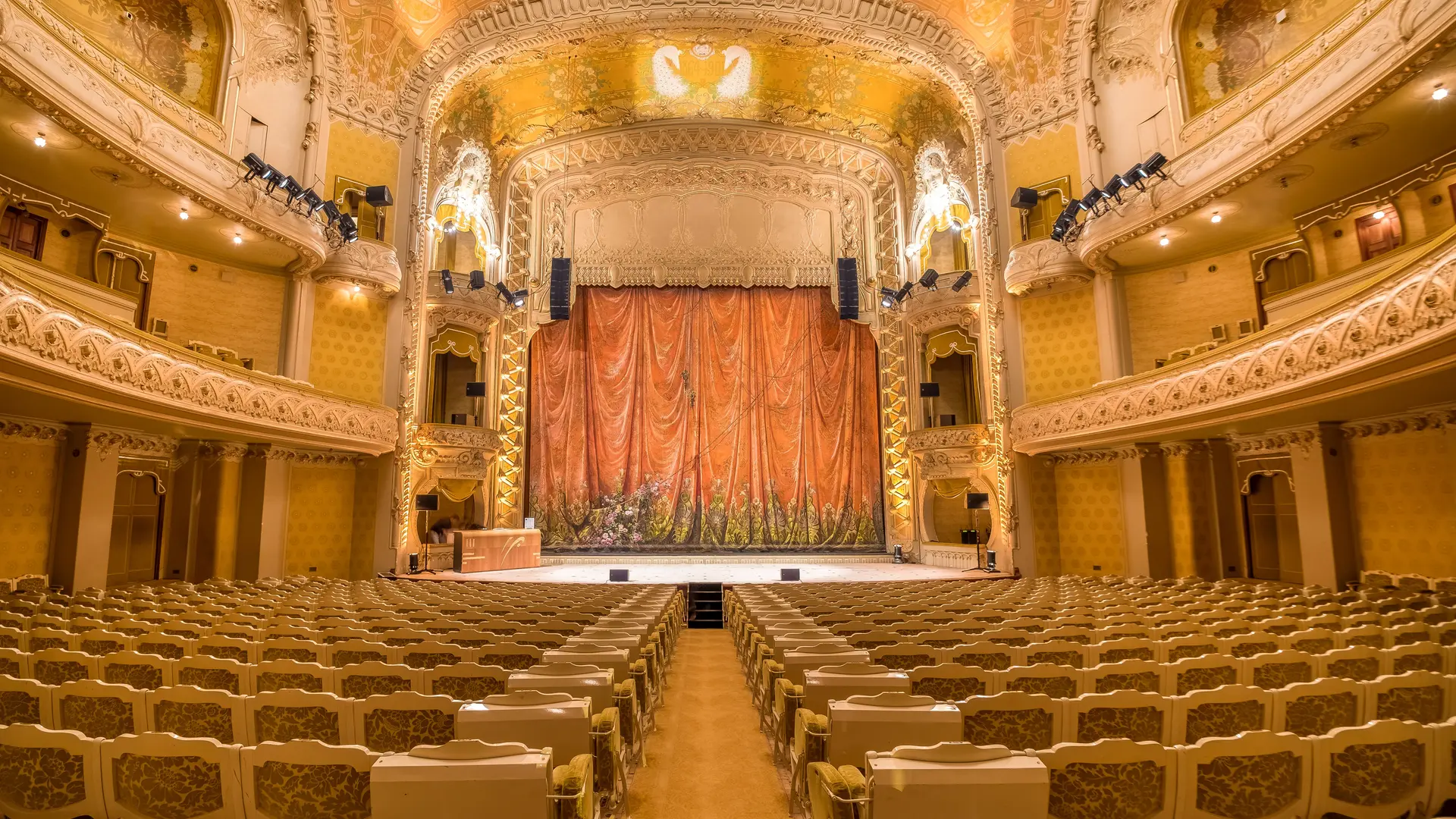
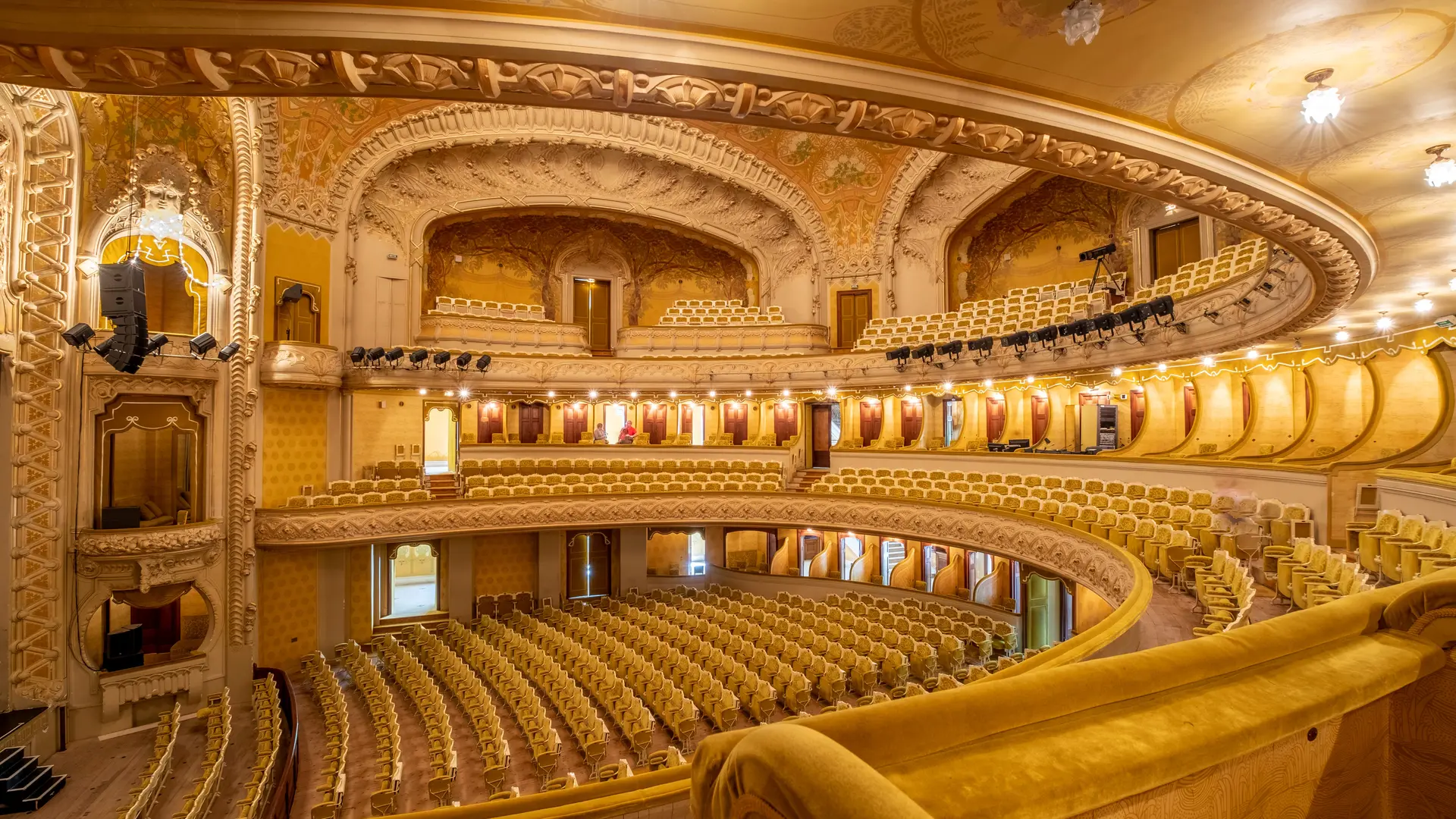
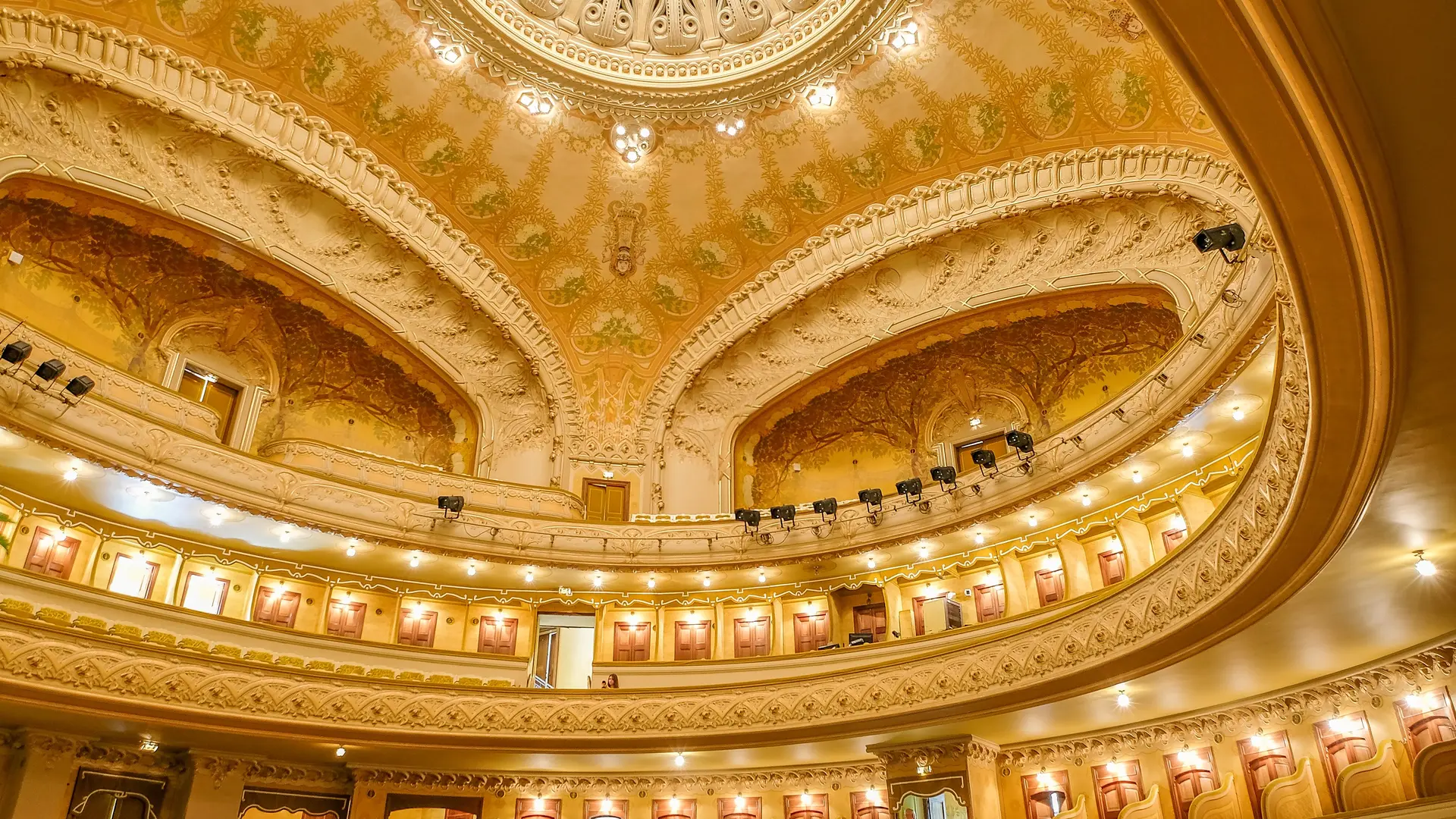
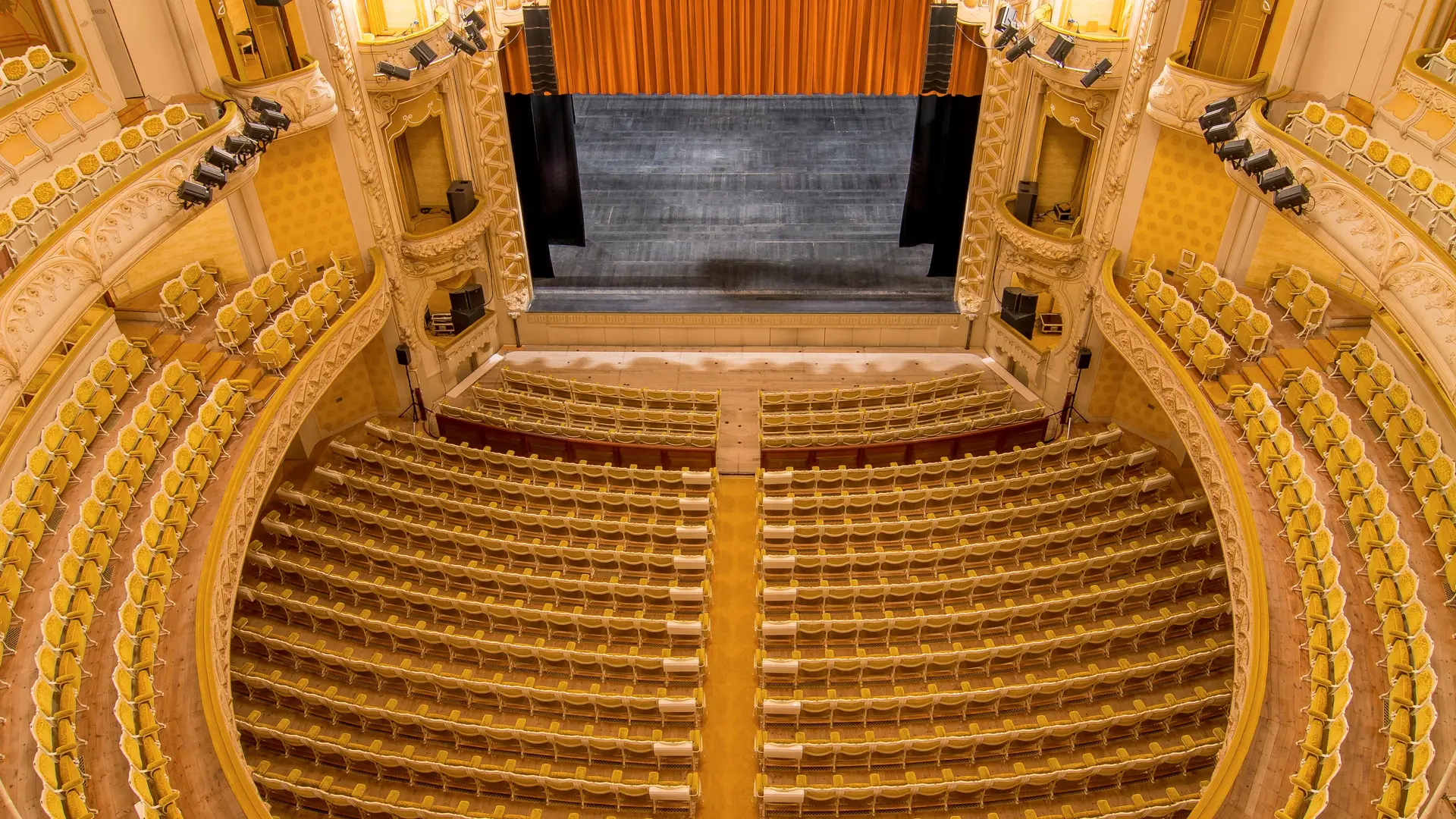
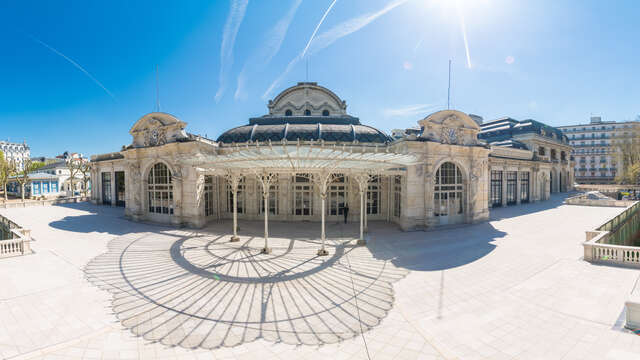
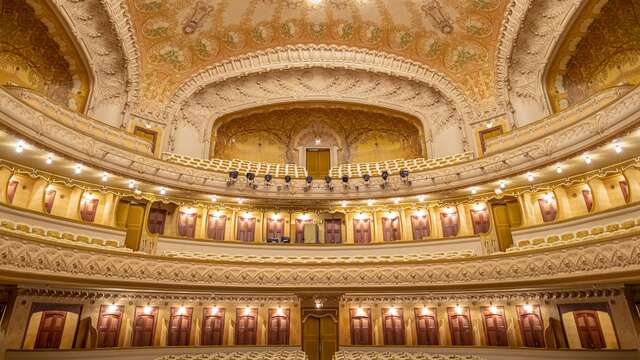
This led to the building of a new 1,480-seat theatre by architects Charles Le Cœur and Lucien Woog; at the time, the largest theatre in France after the Opéra Garnier. It was inaugurated on 2nd June 1901 with a performance of Giuseppe Verdi's opera Aida.
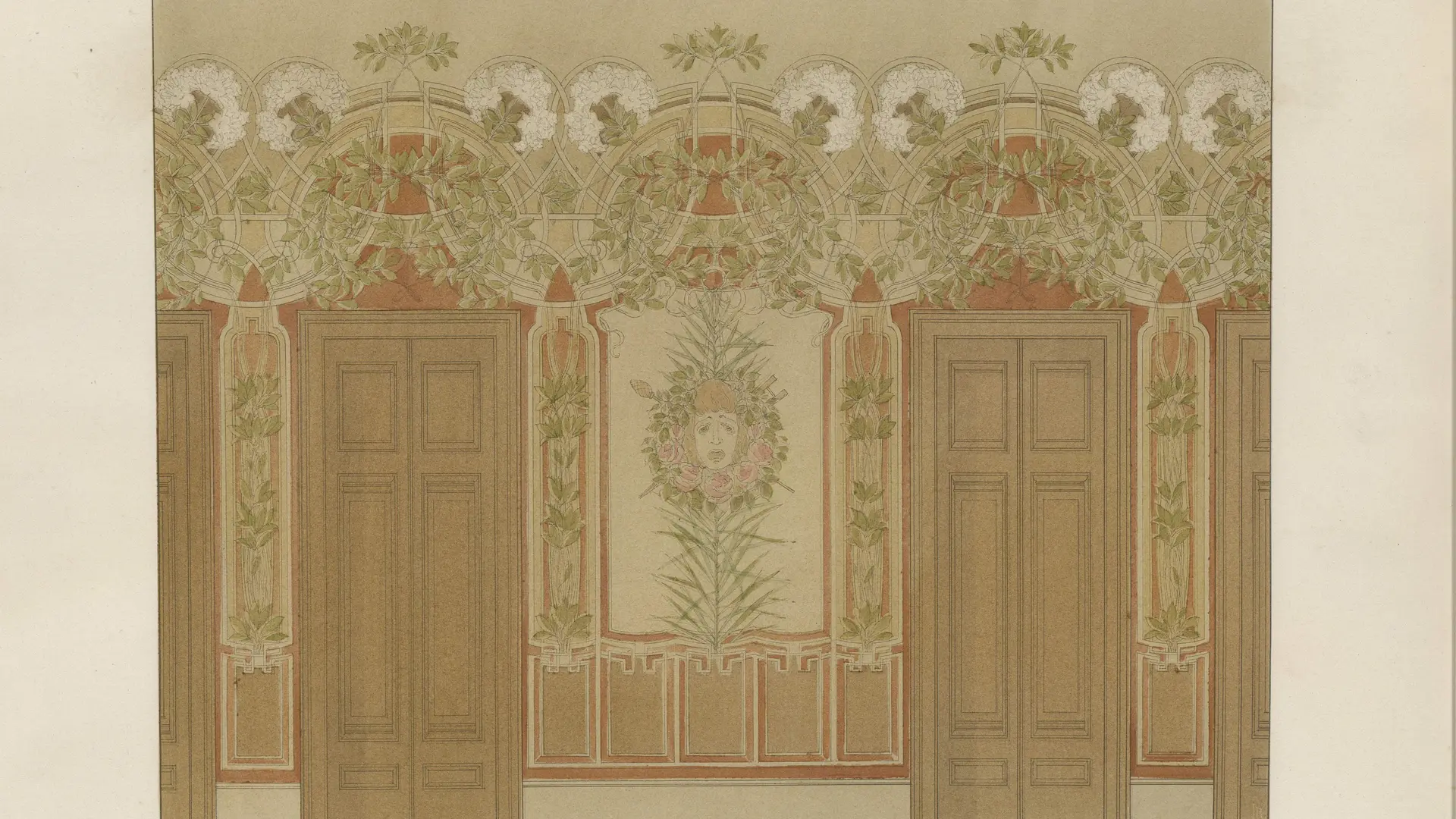
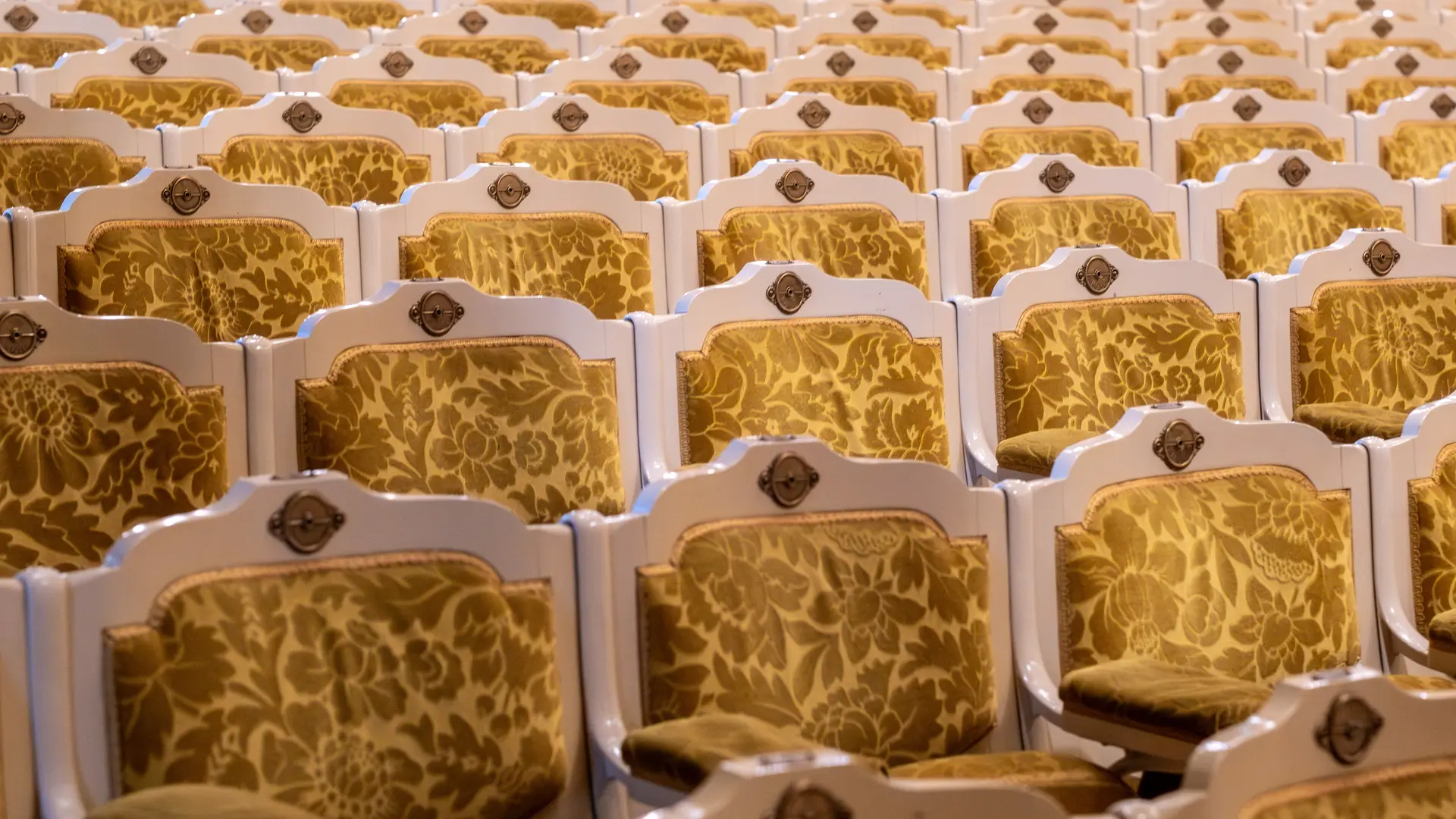
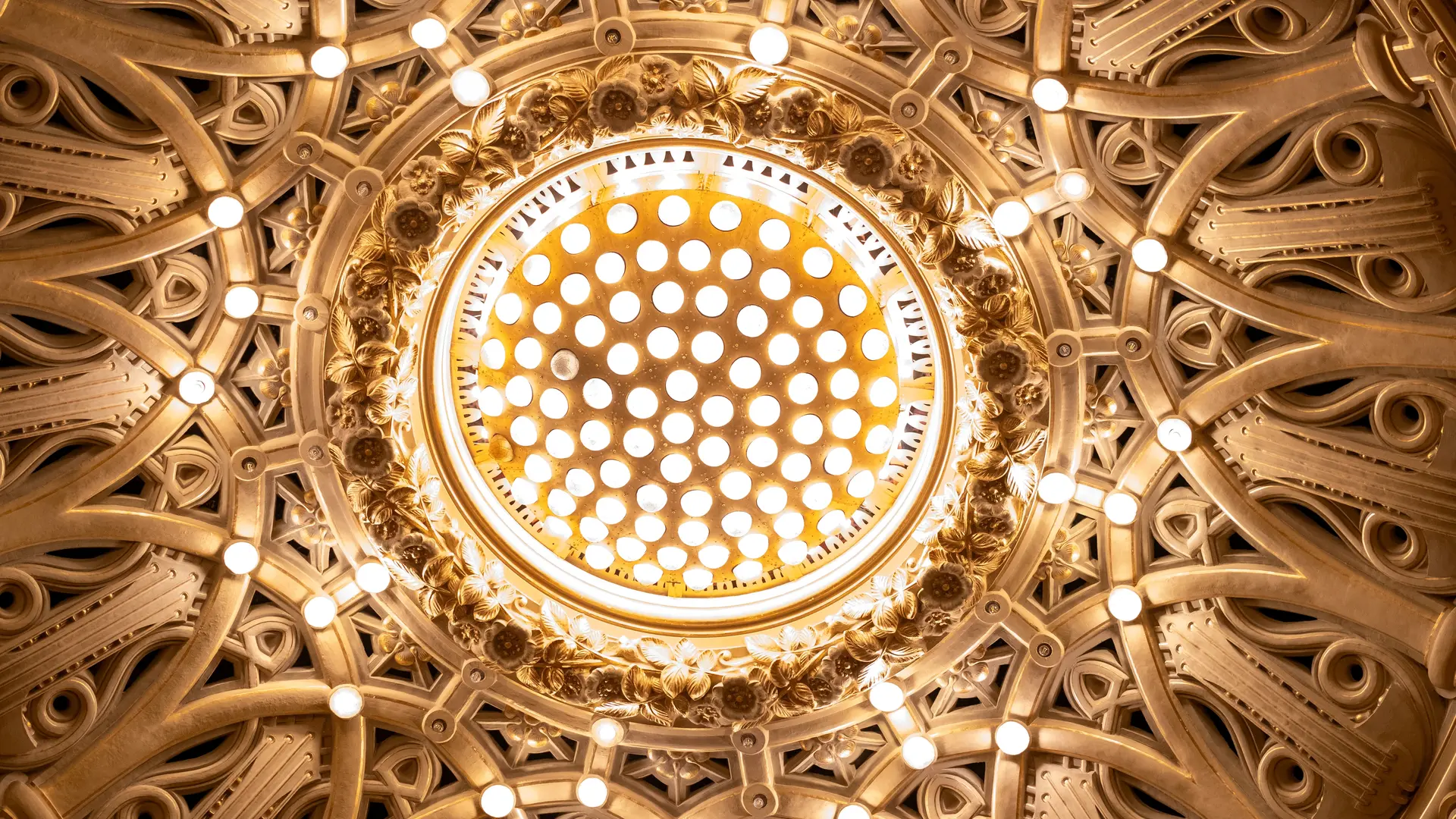
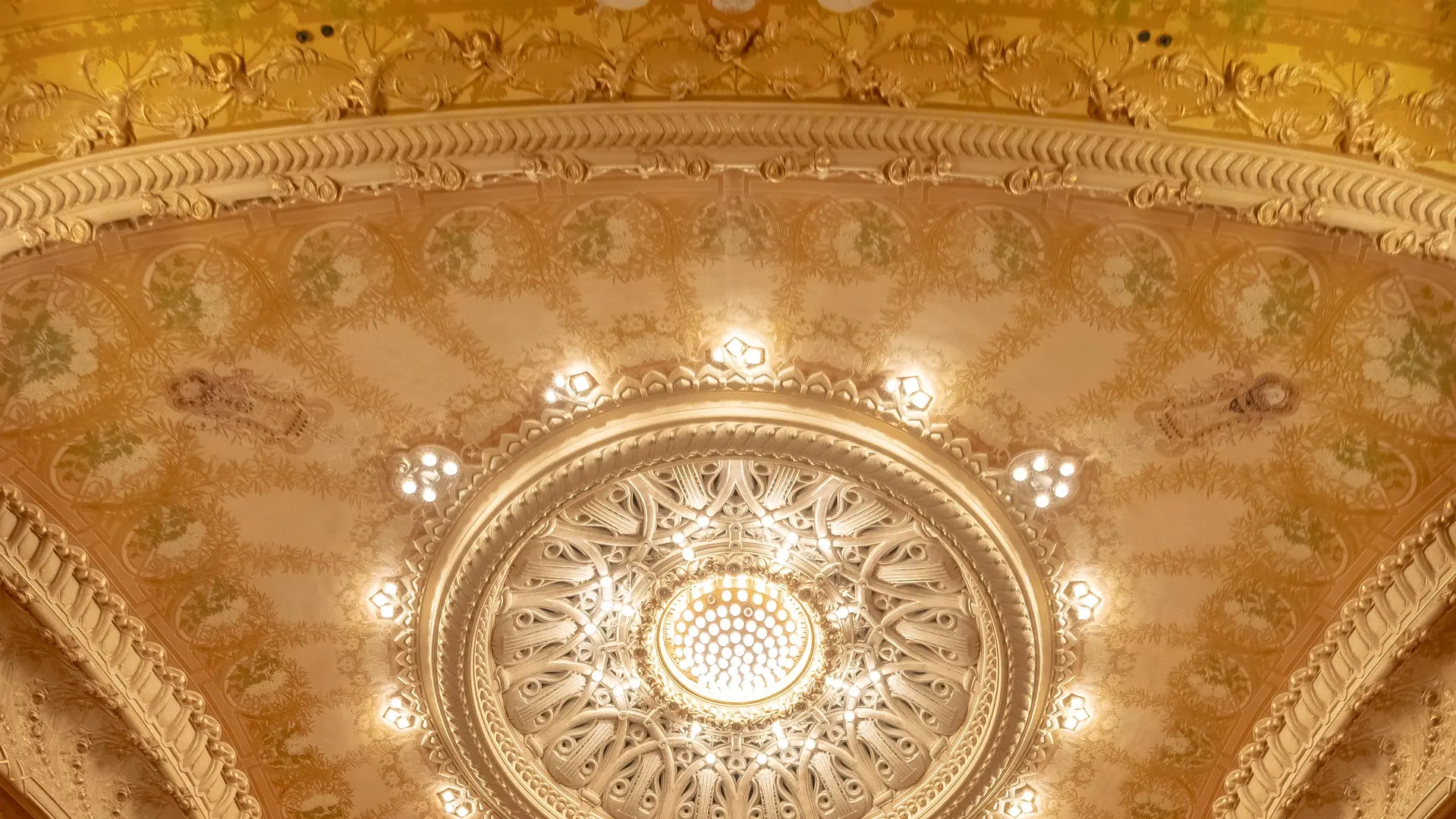
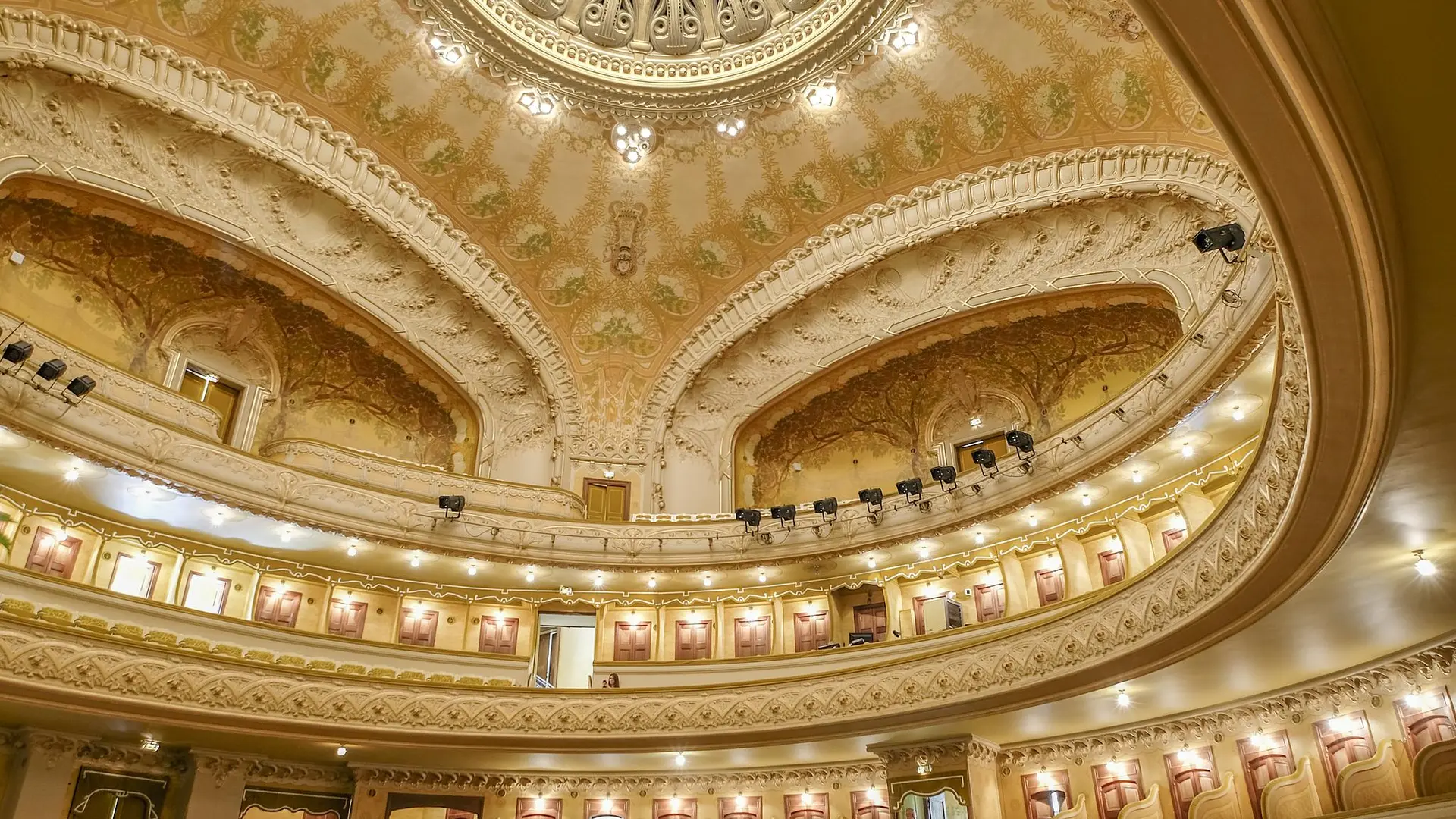
Its innovative metal exoskeleton, unobstructed by columns, and its shimmering gold and ivory Art Nouveau decoration, combining floral motifs with features relating to drama and music, made it an exceptional venue. The stunning decor was created by a team of talented young artists: Léon Rudnicki for the painting, Pierre Seguin for the ornamental staff sculptures, and Émile Robert for the wrought iron work.
Up until the 1960s, the opera house attracted conductors, soloists, and stars from major European venues that were closed during the summer season. It also maintained an orchestra of 80 musicians, performing around 90 performances each summer.
On 10th July 1940, the Opera House provided the stage for the vote granting full powers to Marshal Pétain, despite the opposition of 80 parliamentarians. A complete refurbishment in 1995 restored the Opera House to its former glory; it now hosts performances throughout the year.