


Due to the renown of its thermal springs, Vichy has been attracting a cosmopolitan and multi-religious population since the late 19th century.
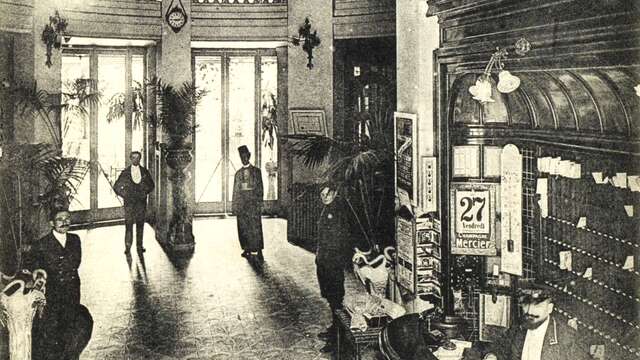
Initially limited to private residences, Jewish worship gradually started to be held in buildings more widely available to the general public, such as the Hôtel des Colonies located on Boulevard de Russie, from 1874.
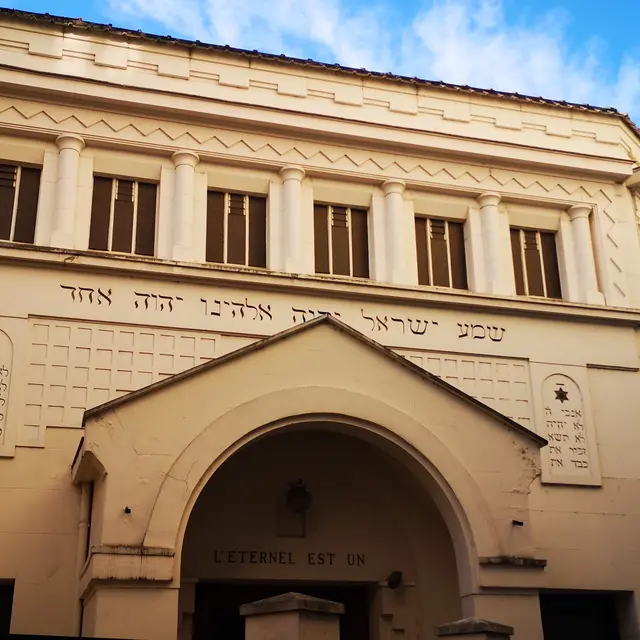
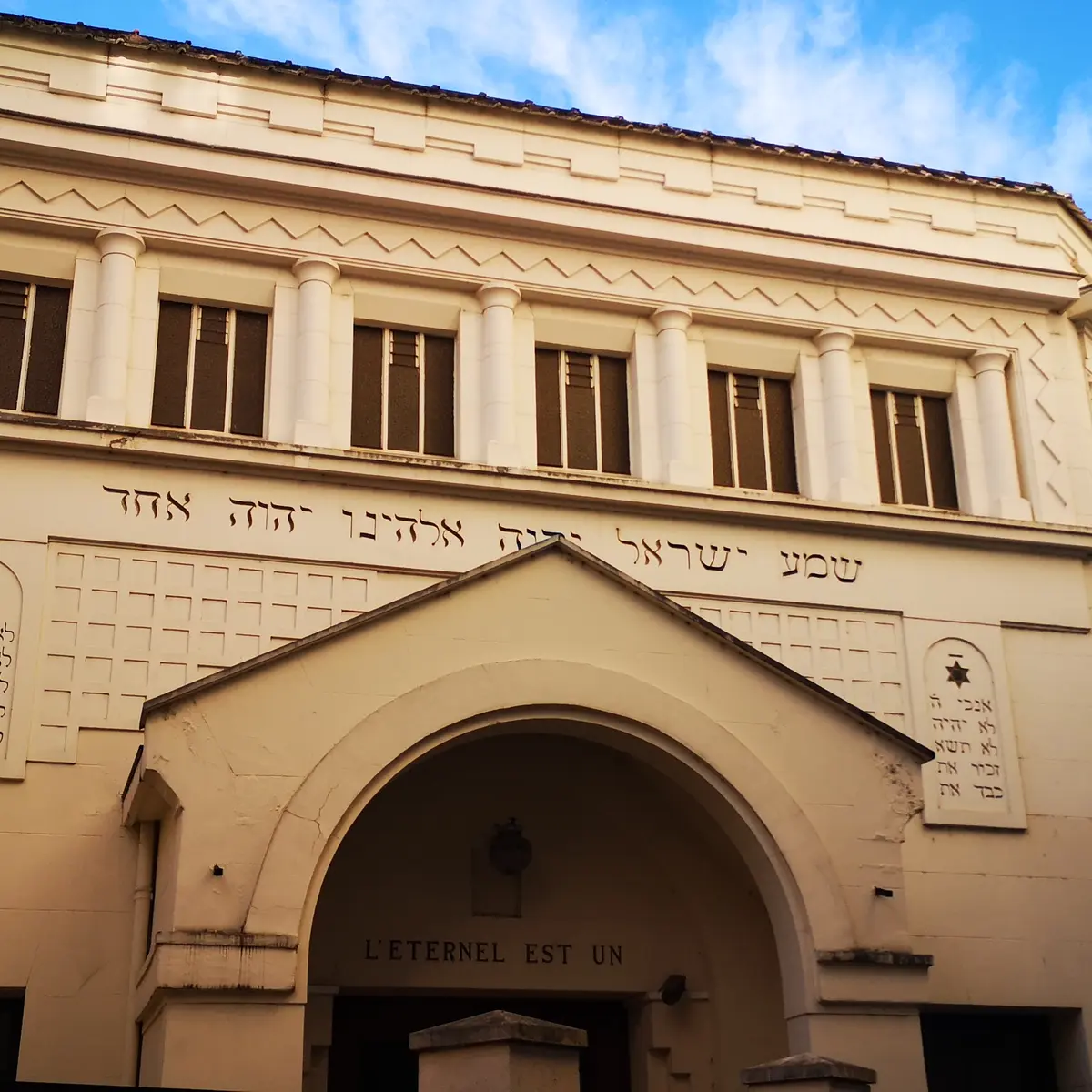
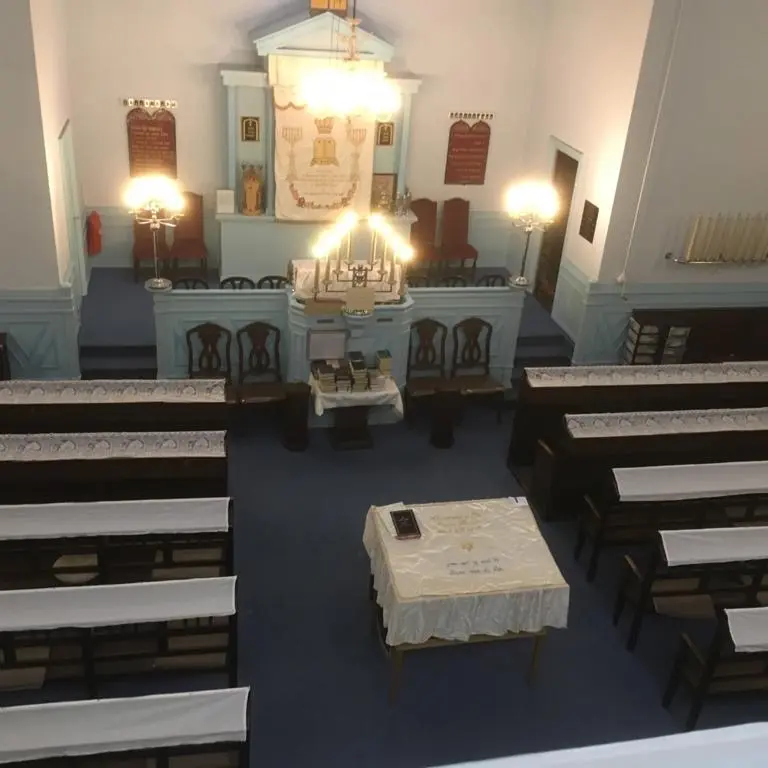
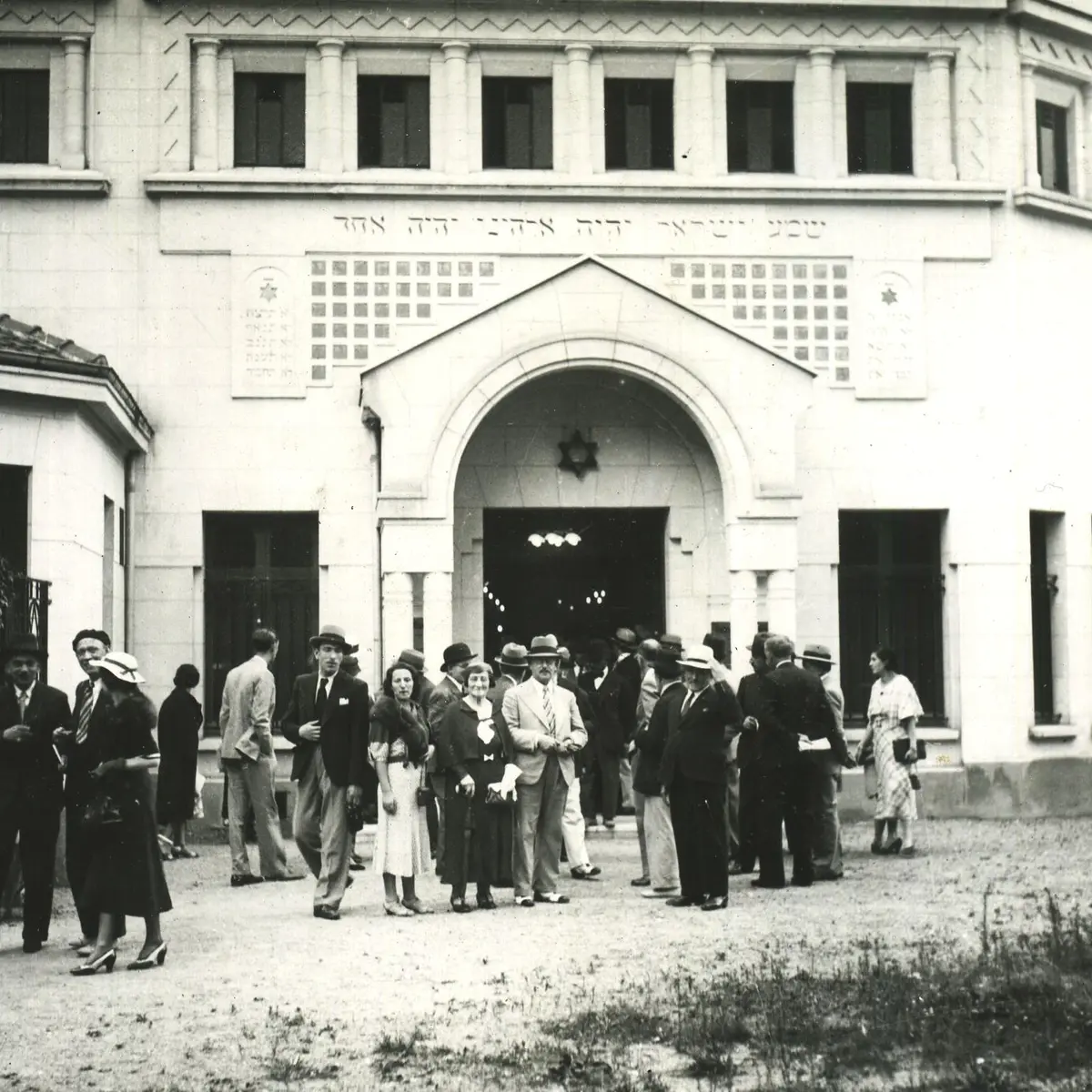
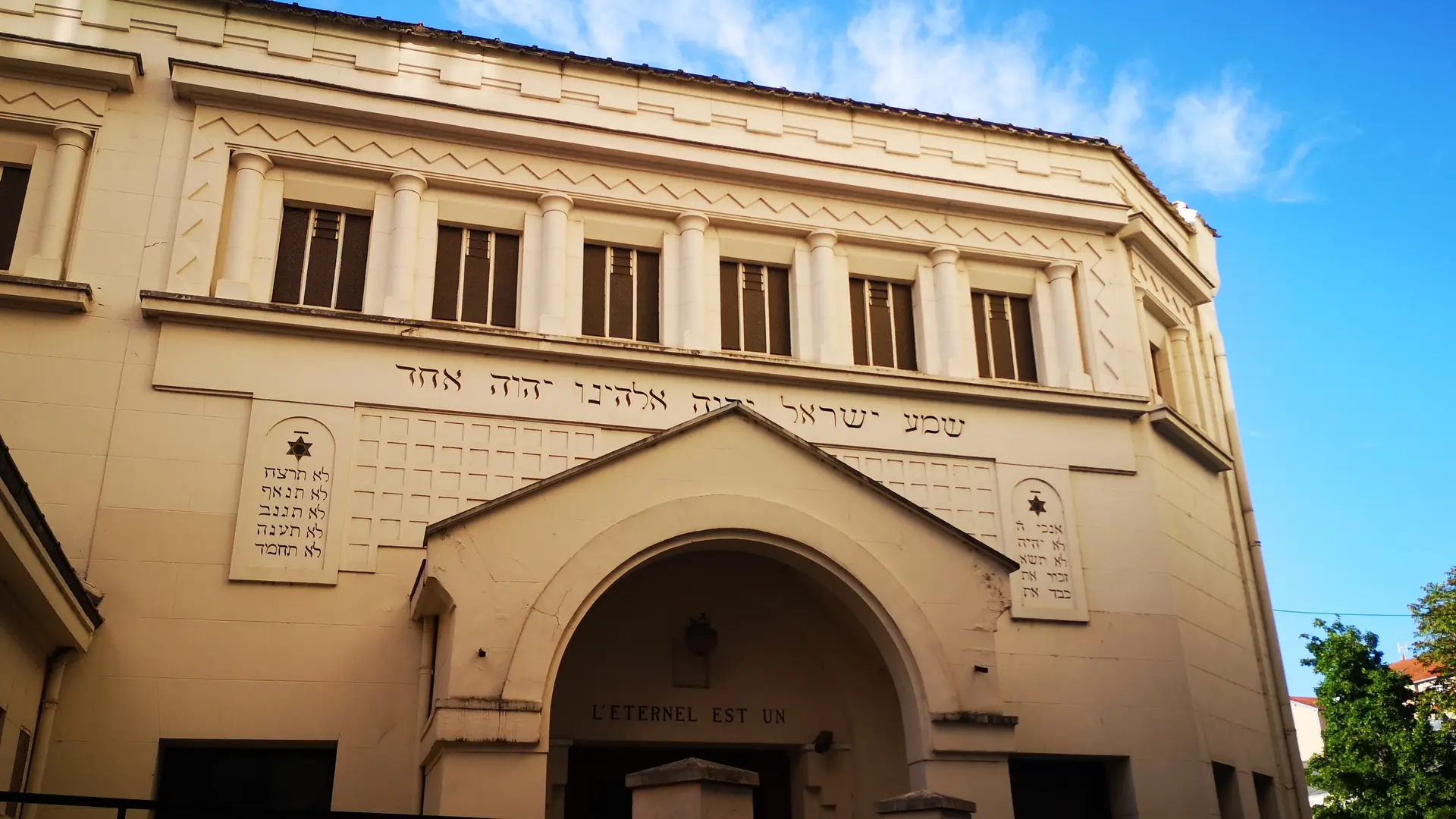
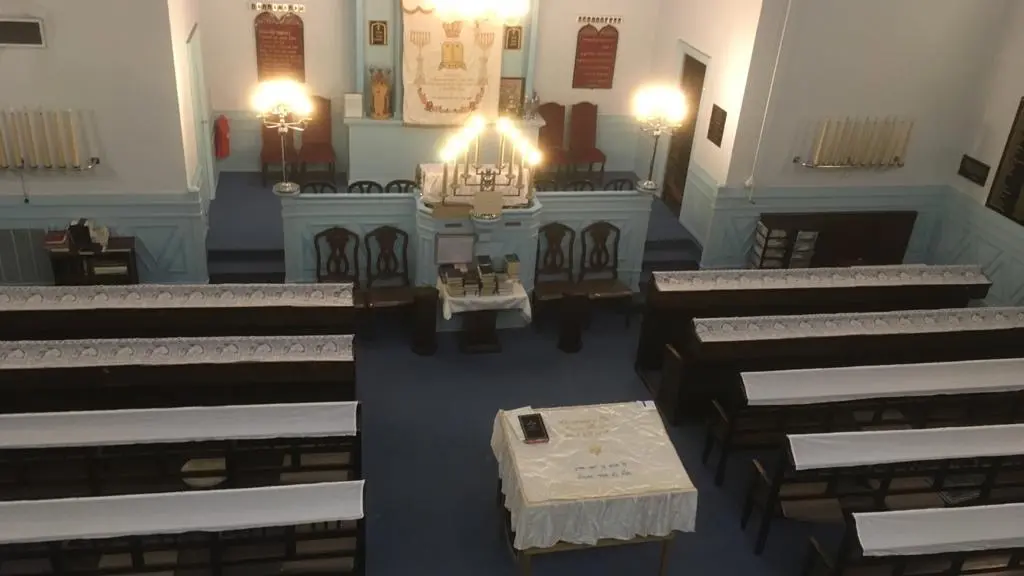
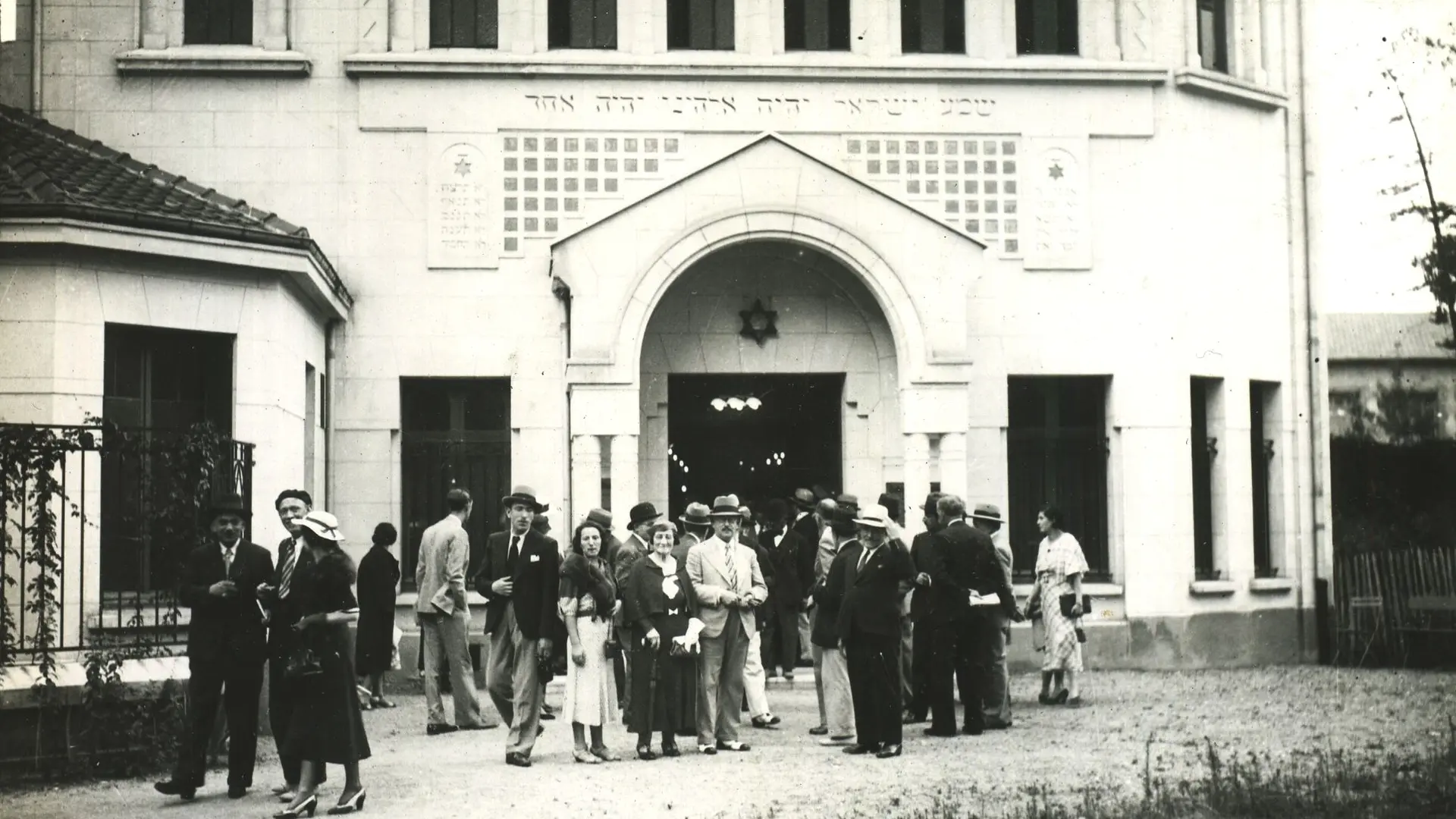
The synagogue was built in 1933 by architects Chanet and Liogier (who also designed the neighbouring Saint-Blaise-Notre-Dame-des-Malades church) on land provided by the Compagnie Fermière de Vichy. Its modern, understated architecture, in a neo-Byzantine style with a hint of Art Deco, reflects the tastes of the interwar period. The bright, elegantly refined interior encourages contemplation: the ground floor, which can hold to 200 worshippers, is reserved for men, while a gallery can accommodate around fifty women.
Like all synagogues in France, the Vichy synagogue remained open during World War II. On 10th August 1941, though, it was the target of an attack that fortunately caused only material damage. It was nevertheless looted by the French Milice at the end of the war.
The only synagogue in the Allier region, like the Protestant church, the Vichy synagogue both bears witness to the diversity of faiths practiced there, and symbolises the rich and complex history of Vichy, a city steeped in prosperity and historical tragedy.
Accessibility
Accessible for self-propelled wheelchairs
Rates
Free access.
—
Openings
All year 2026 - Open everyday
Location
Spoken languages
Spoken languages