Inaugurated in 1903, this iconic building in Vichy, Queen of Spa Towns, designed by architects Charles Lecoeur and Lucien Woog, is dedicated to spa culture.
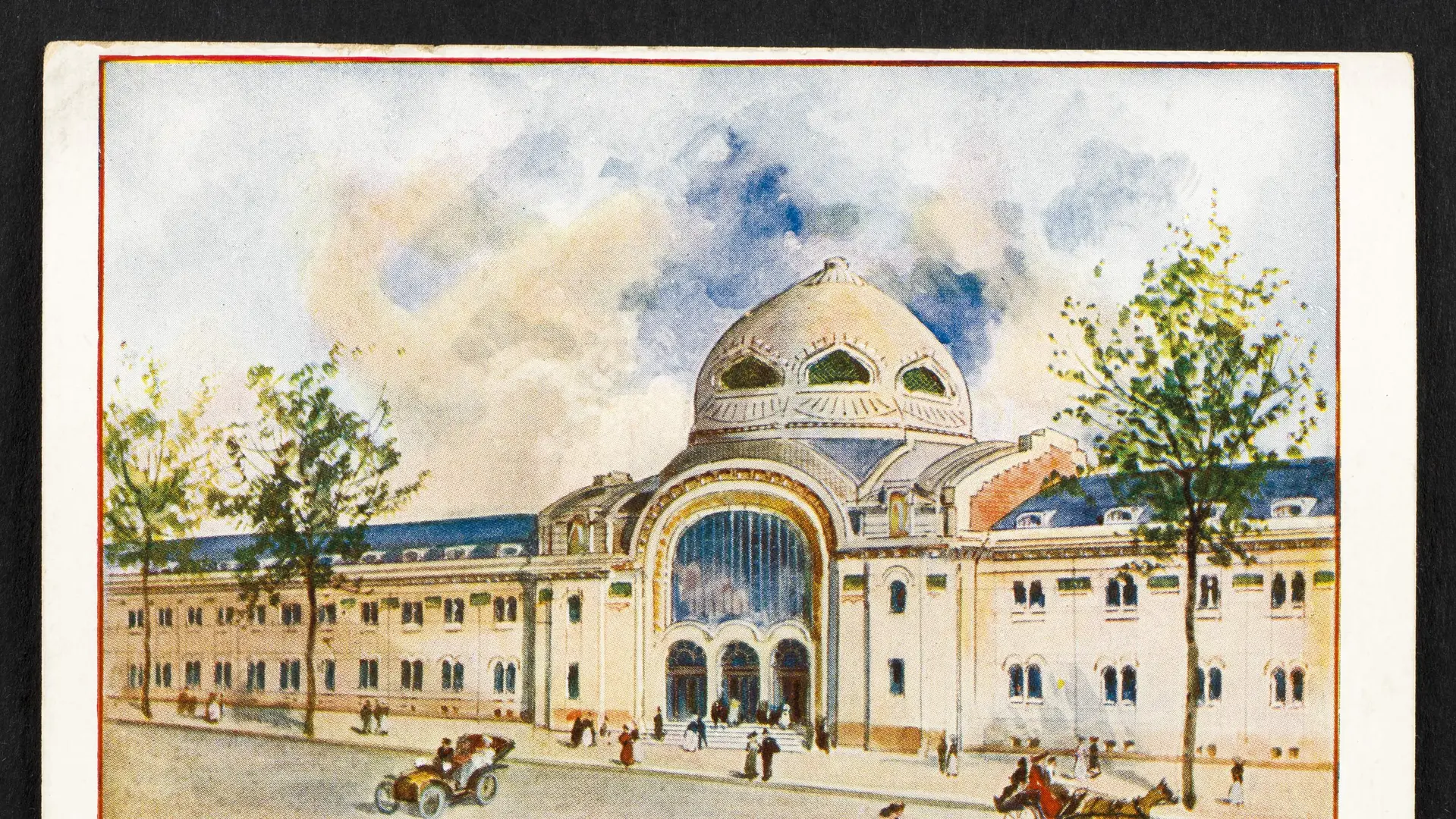
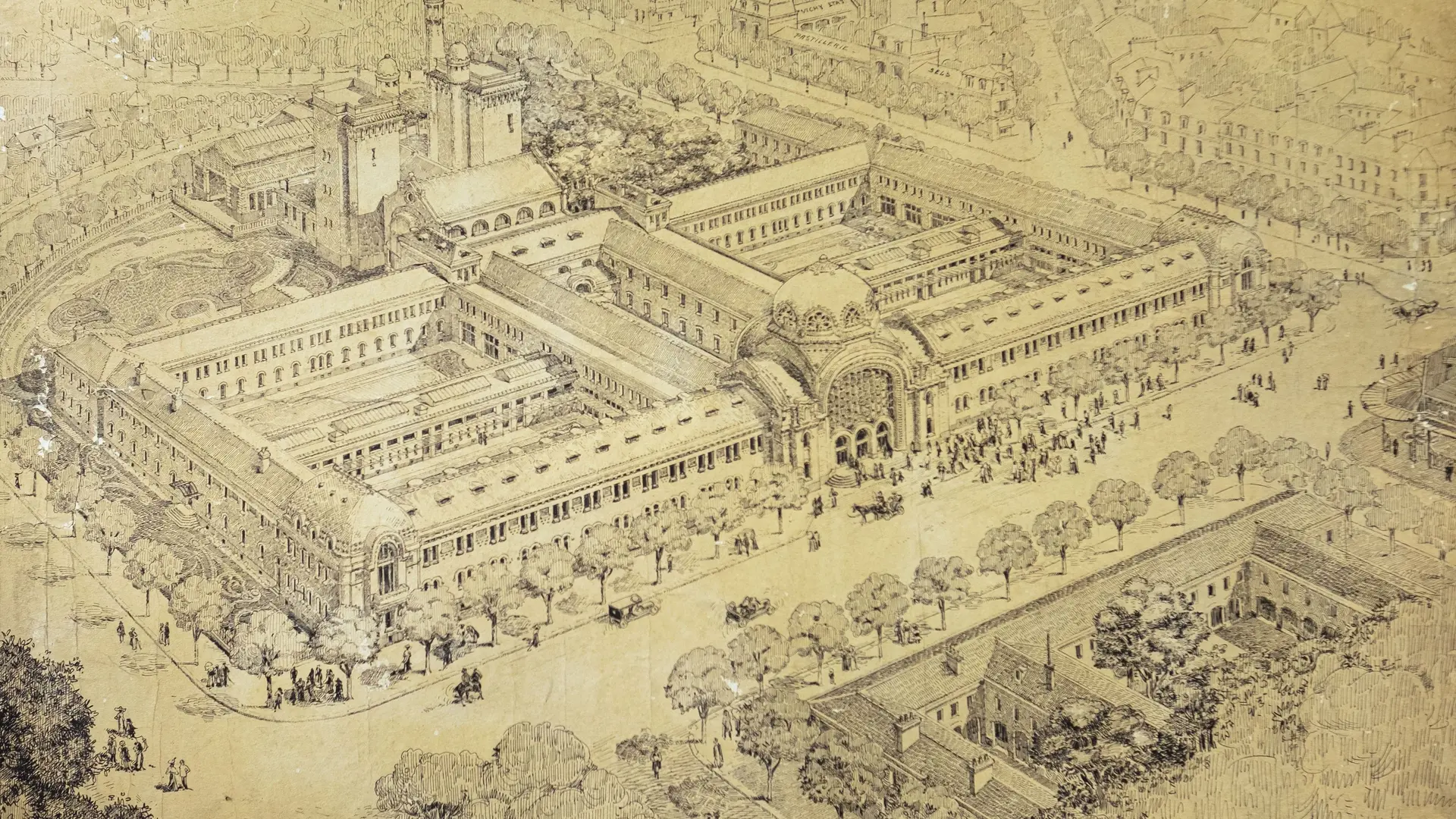
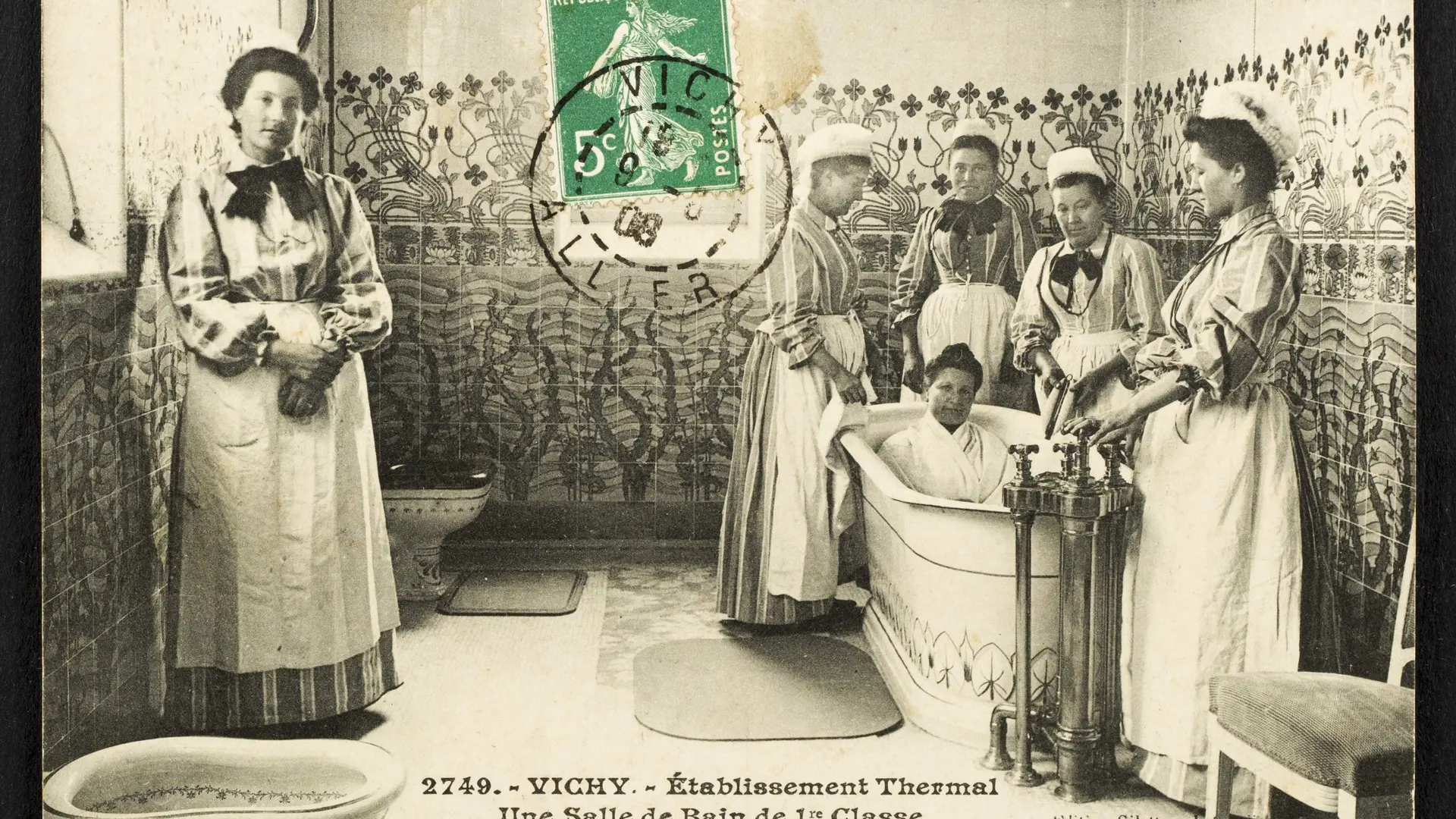
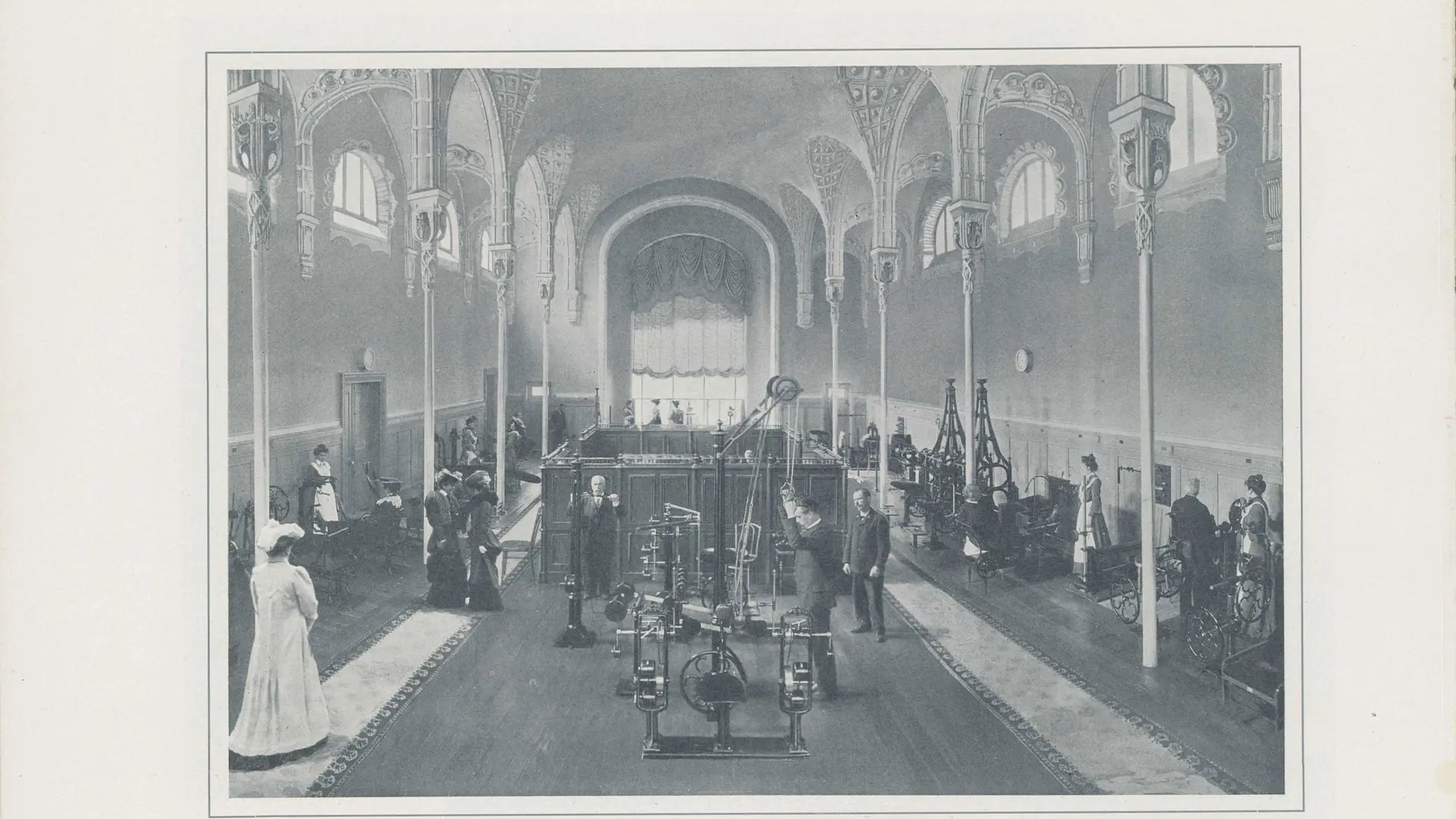
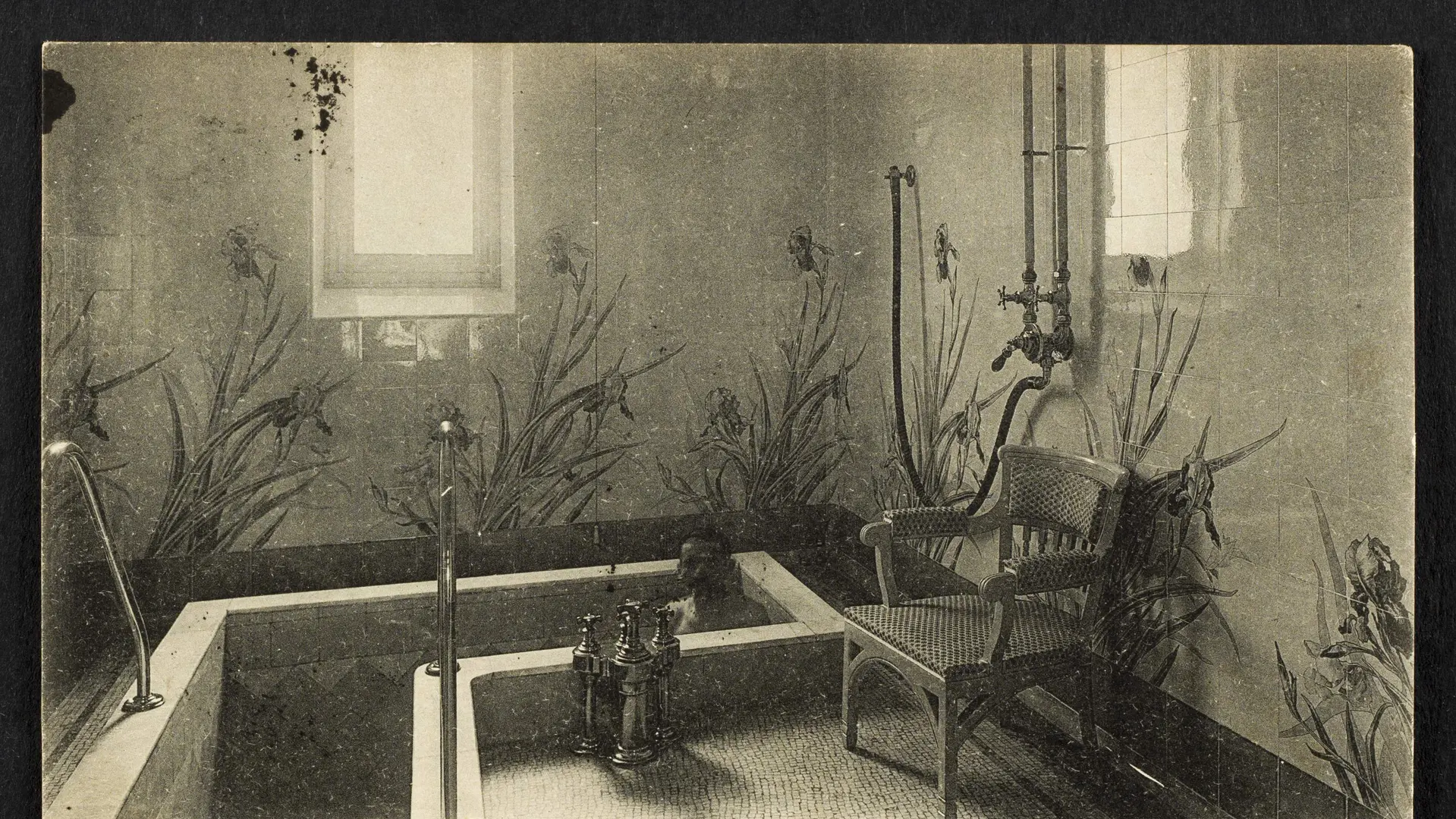
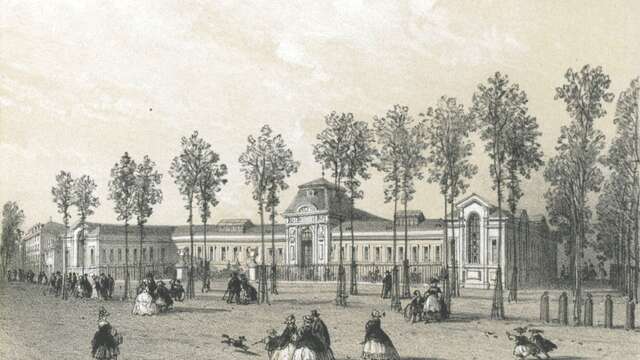
The main façade, 170 metres long, runs either side of a monumental entrance that opens onto a symmetrical axis housing a range of services such as mechanotherapy, around which are arranged women's services, to the east, and men's services, to the west: a total of 130 standard bathing cubicles in all, in addition to shower cubicles and special-purpose baths.
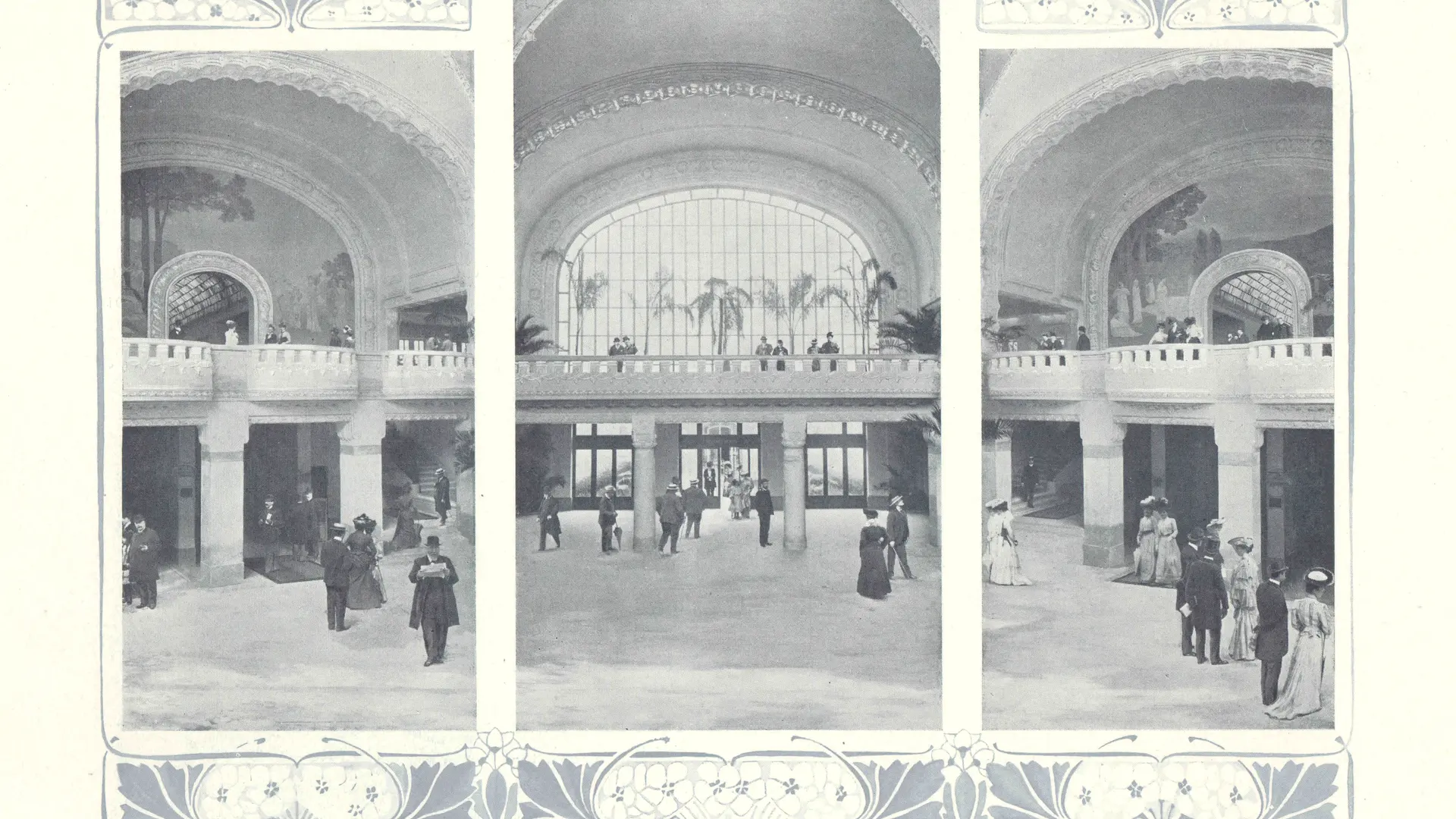
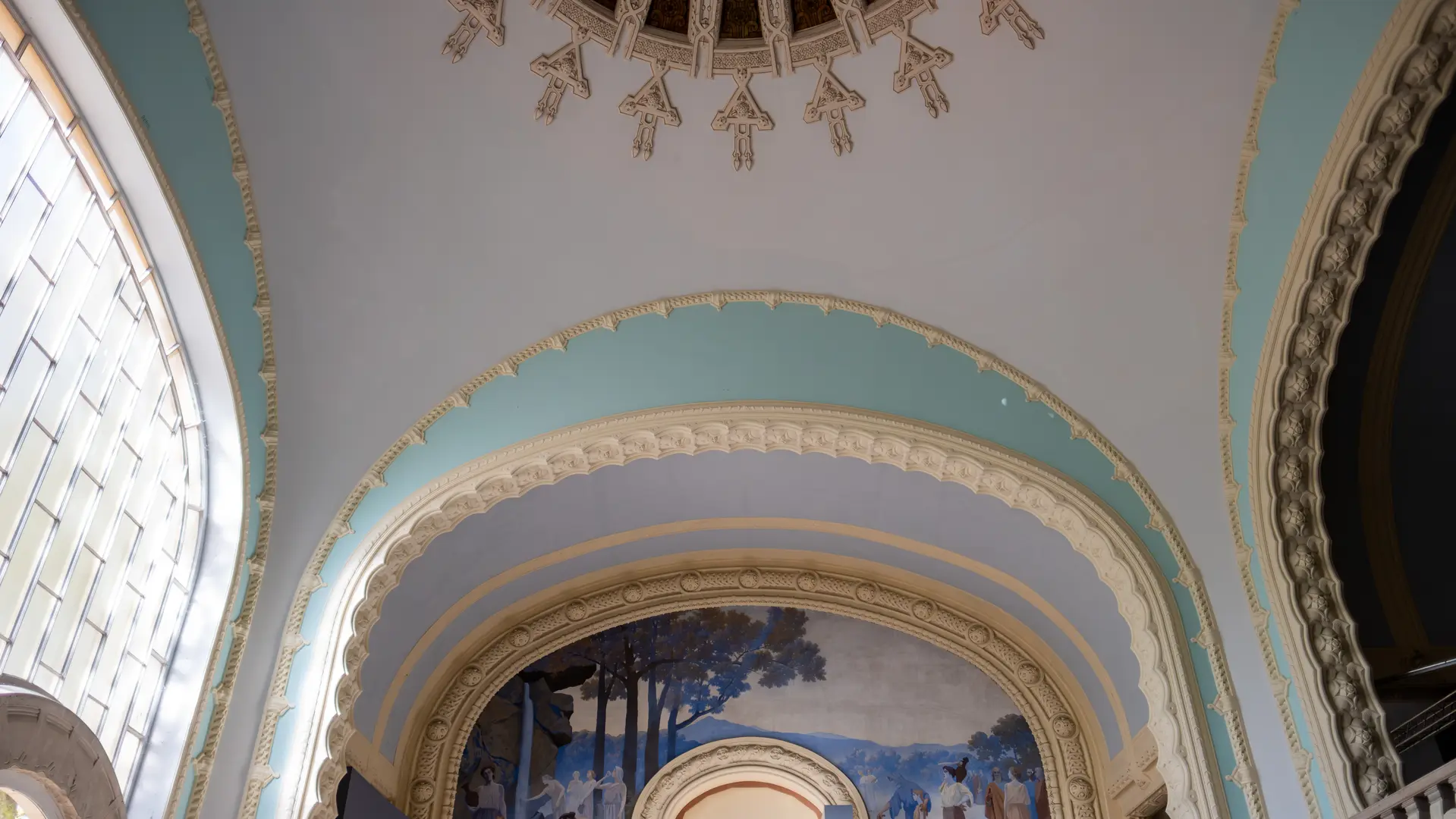
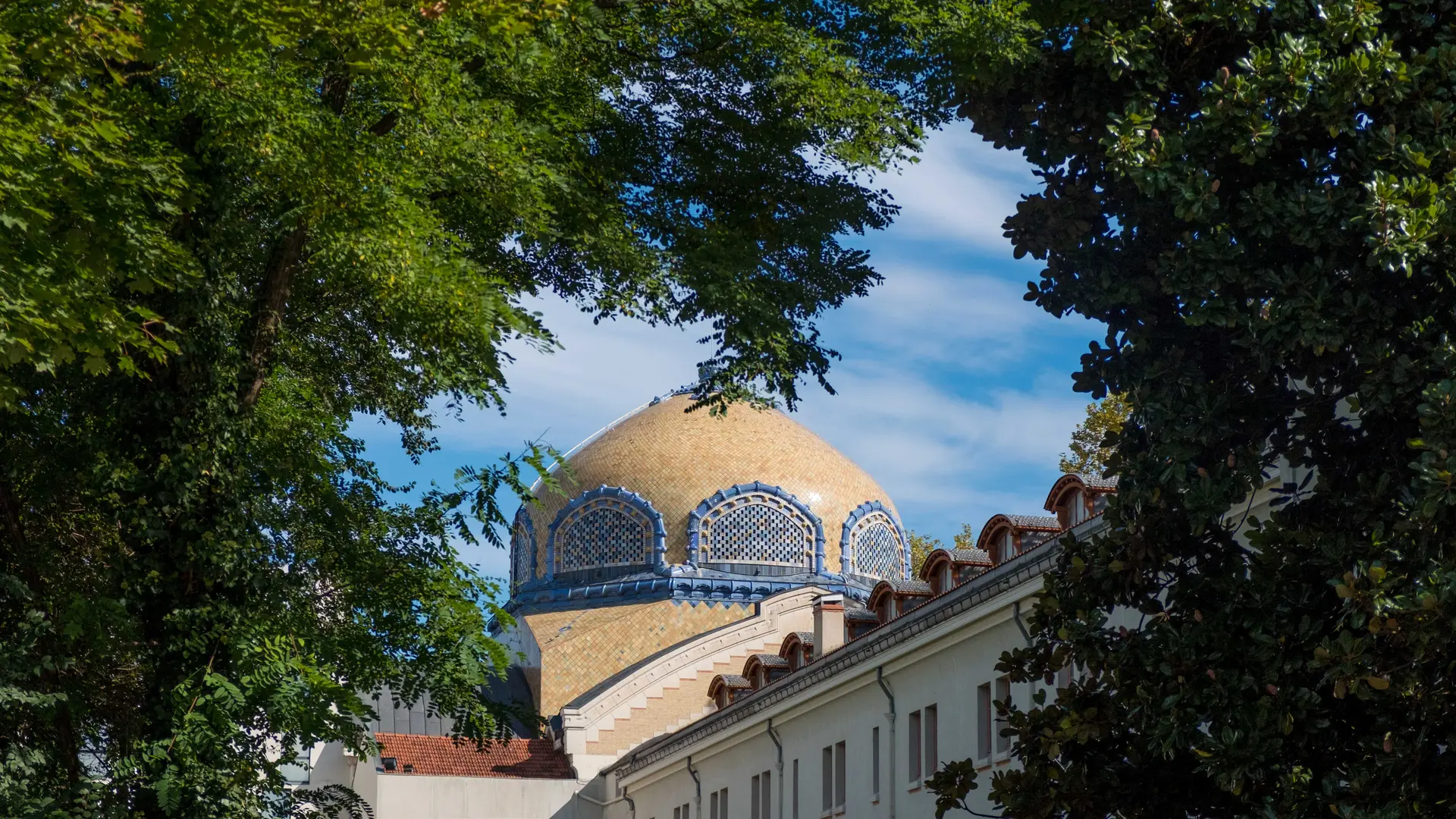
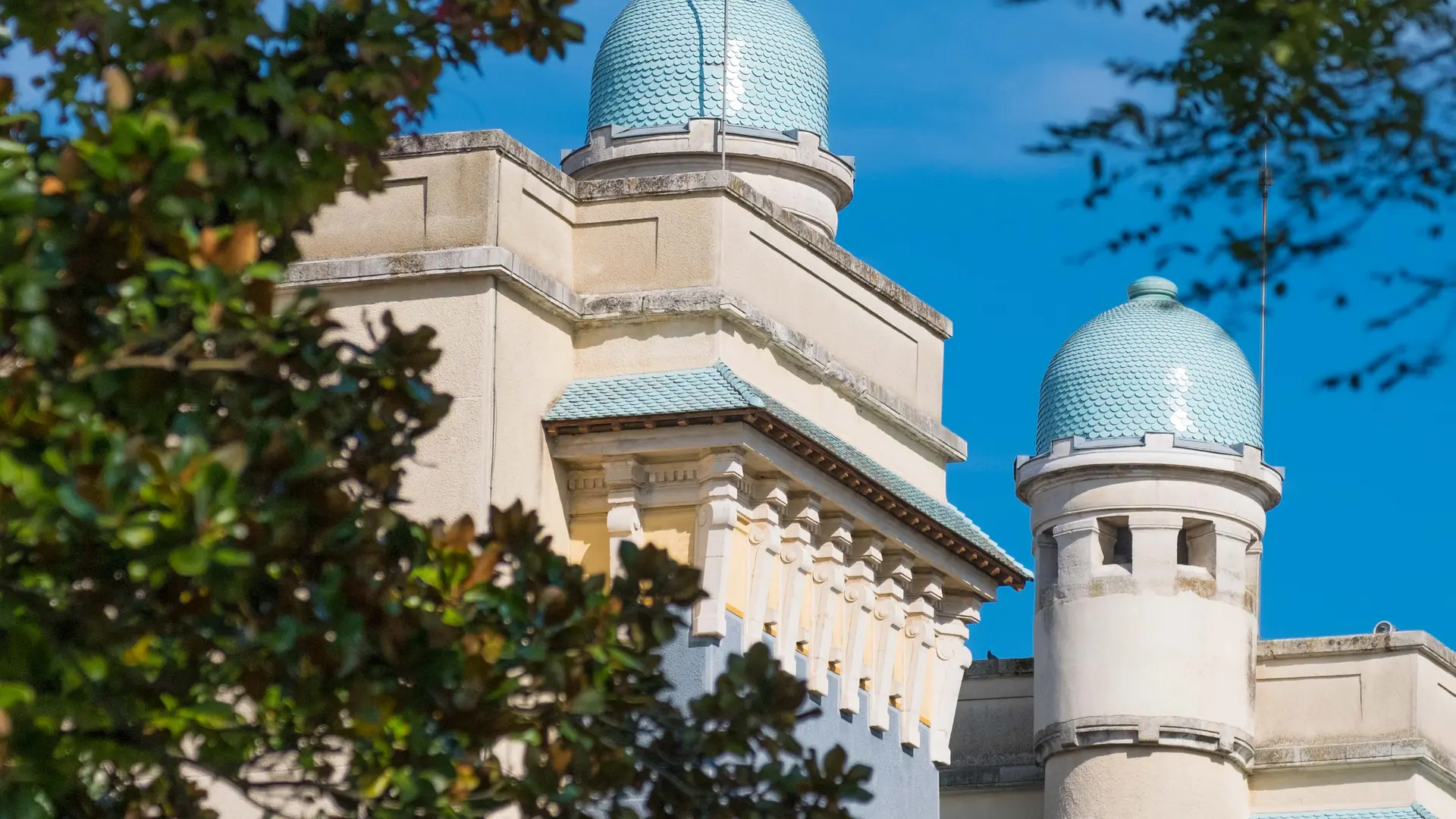
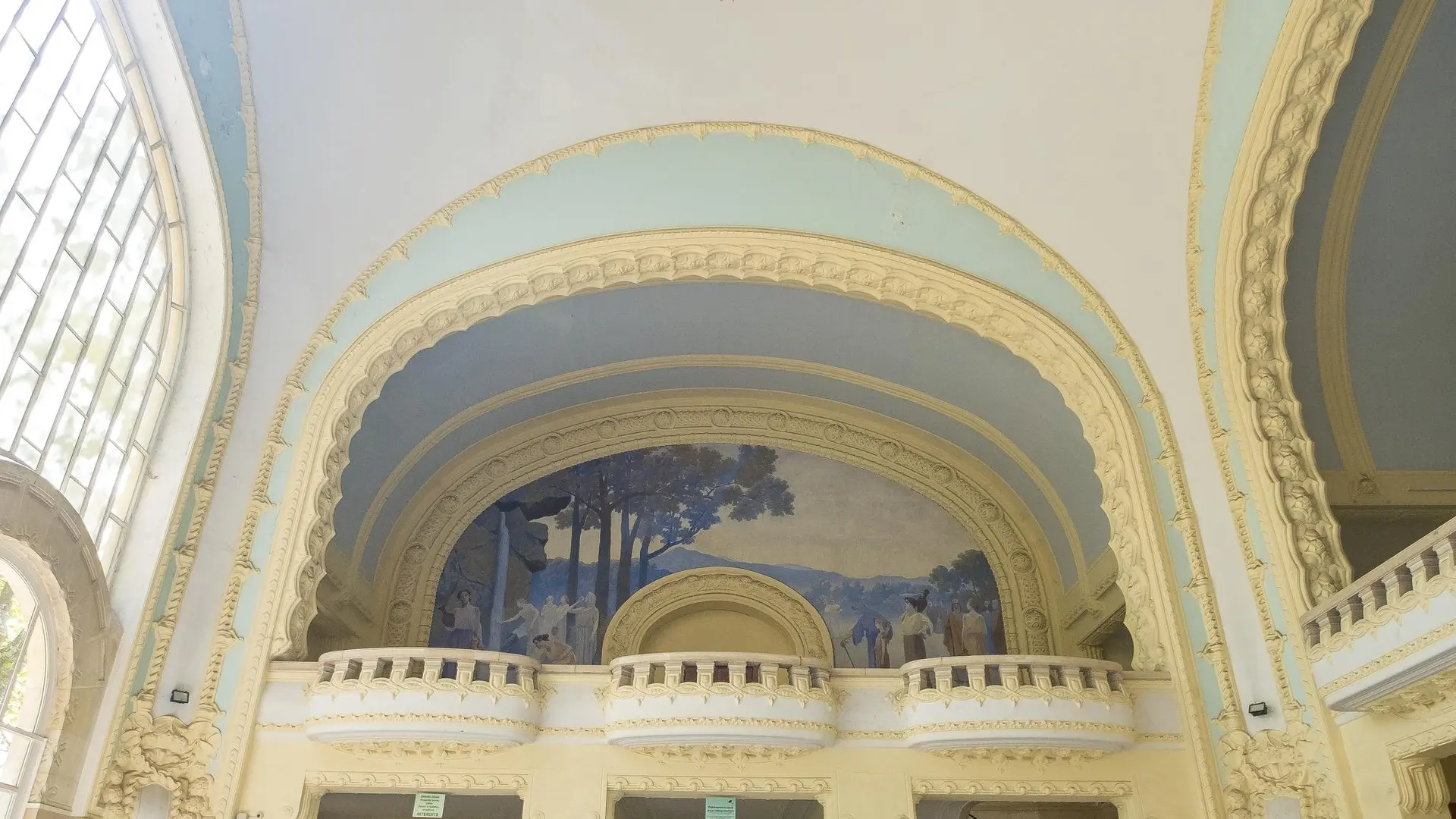
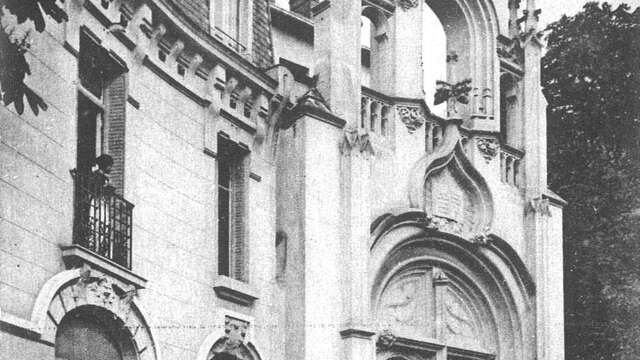
The architects chose an extravagant Romano-Byzantine style, evocative of luxurious oriental hammams, with a large dome covered in colourful glazed tiles and two decorative minarets standing guard over the thermal spa water tanks. The opulent style didn't stop the architects incorporating the latest health and hygiene refinements, though, designed to provide an exceptionally light and airy environment. The building's interior decor also reflected current fashions, with frescoes in the lobby by symbolist painter Alphonse Osbert and Art Nouveau tiles in the luxury cubicles.
After being extended between 1930 and 1935, the baths were partially demolished to make way for a hotel in 1978. Today, the north wing is still used for spa treatments.